
Karen Yeates
Physician, nephrologist, global-health and implementation researcher; Professor in the Department of Medicine at Queen’s University and senior scientific leader across WEMA Global Health.
Biography
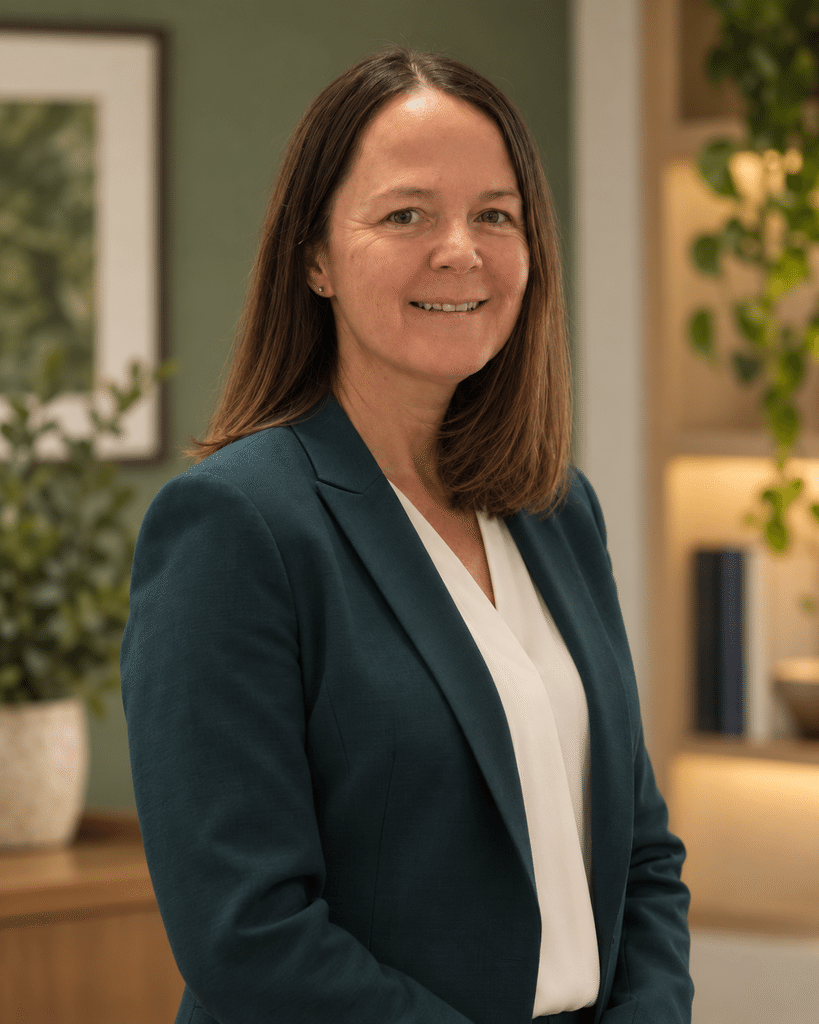
Karen Yeates is a physician, nephrologist and global-health researcher whose career has centred on a practical question: how can evidence-based care work in places where geography, workforce constraints, infrastructure and unequal access reshape what is possible? As a Professor in the Department of Medicine at Queen’s University, her research spans kidney health, noncommunicable diseases, women’s health, cancer prevention, digital health, implementation science, population health and health equity.
Her long-standing work in Tanzania has connected clinical questions with implementation and health-system design. In cervical-cancer prevention, this has included research on HPV-based screening, smartphone-supported visual assessment, self-sampling, community participation, health-worker training, quality assurance, referral, treatment and patient navigation. The emphasis is not simply on whether a screening technology can work, but on whether women can move through the entire prevention pathway and whether local services can sustain that pathway at scale.
Karen’s wider scholarship extends from kidney-care access, dialysis and chronic-disease management to hypertension, cardiovascular risk, household and environmental exposures, and large multinational population research through PURE and related collaborations. In Canada, her work has also addressed rural, remote and Indigenous health equity, including questions of access, culturally responsive care and cervical-cancer prevention.
Within WEMA Global Health, Karen contributes across WEMA Inc., WEMA Health Innovation Tanzania and GHIRL. Her role combines scientific leadership with mentorship, partnership development and the creation of research environments in which students, clinicians, programme teams and collaborators can move from an important question to rigorous evidence and, where appropriate, to implementation.
Meet More of the Community
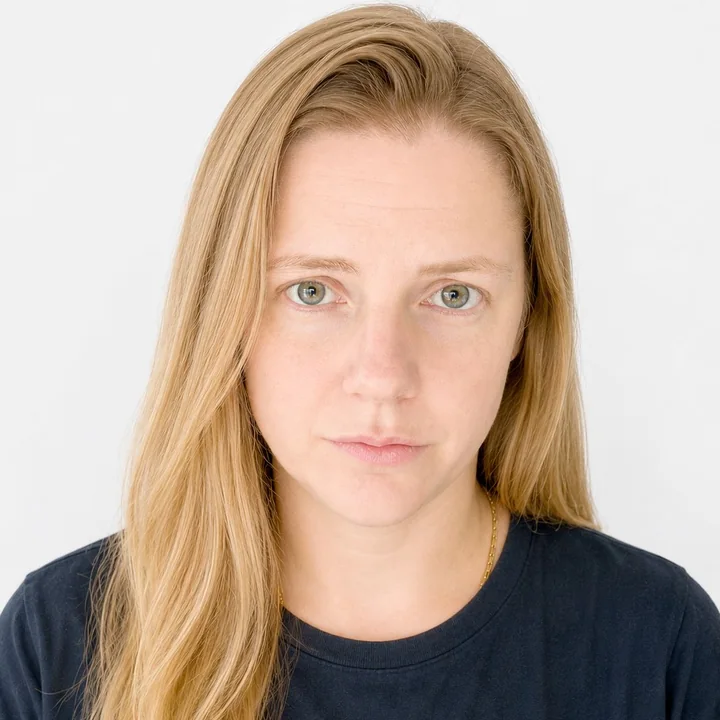 Nicola WestImplementation science · Community partnership
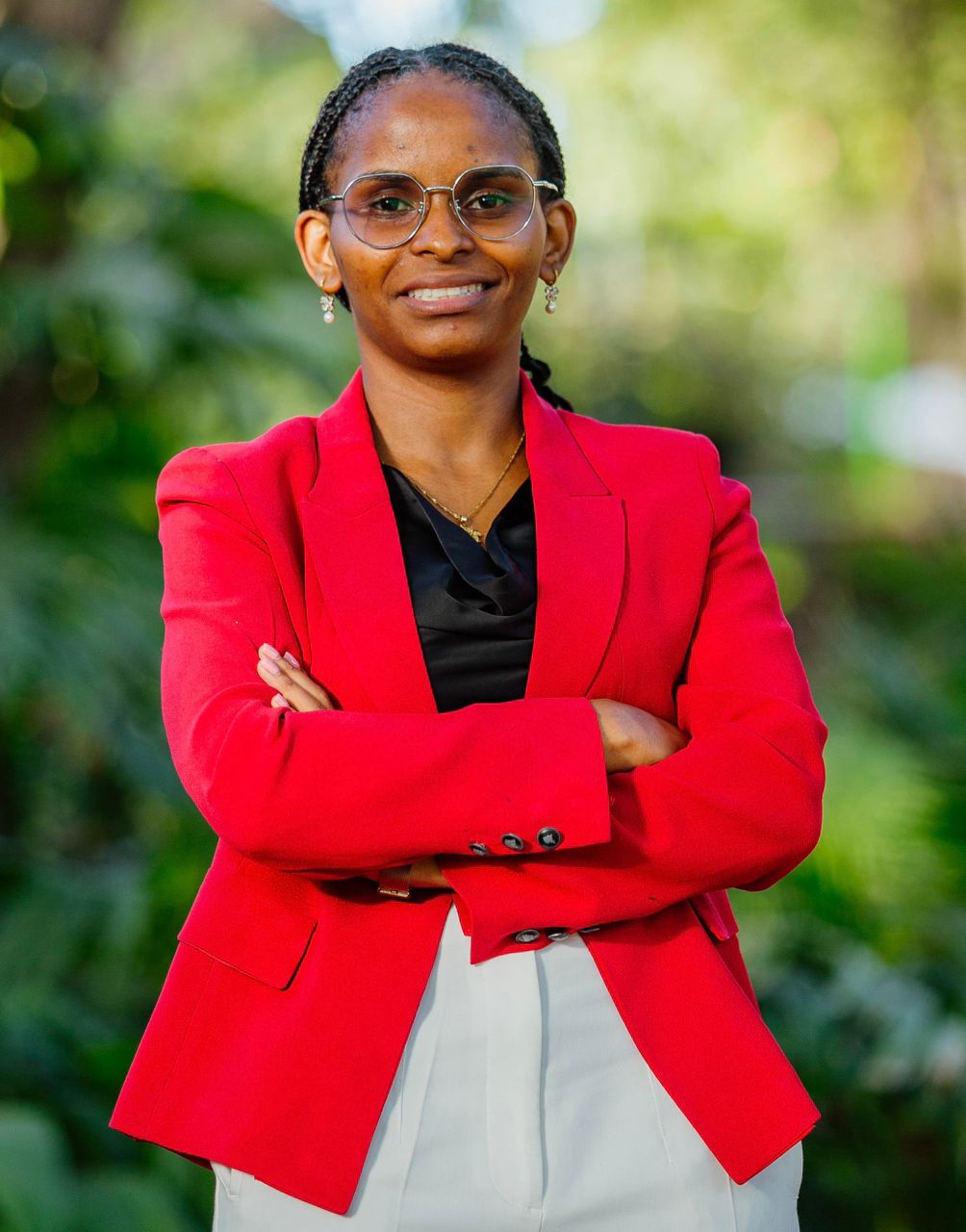 Jackline NgowiImplementation science · Health economics
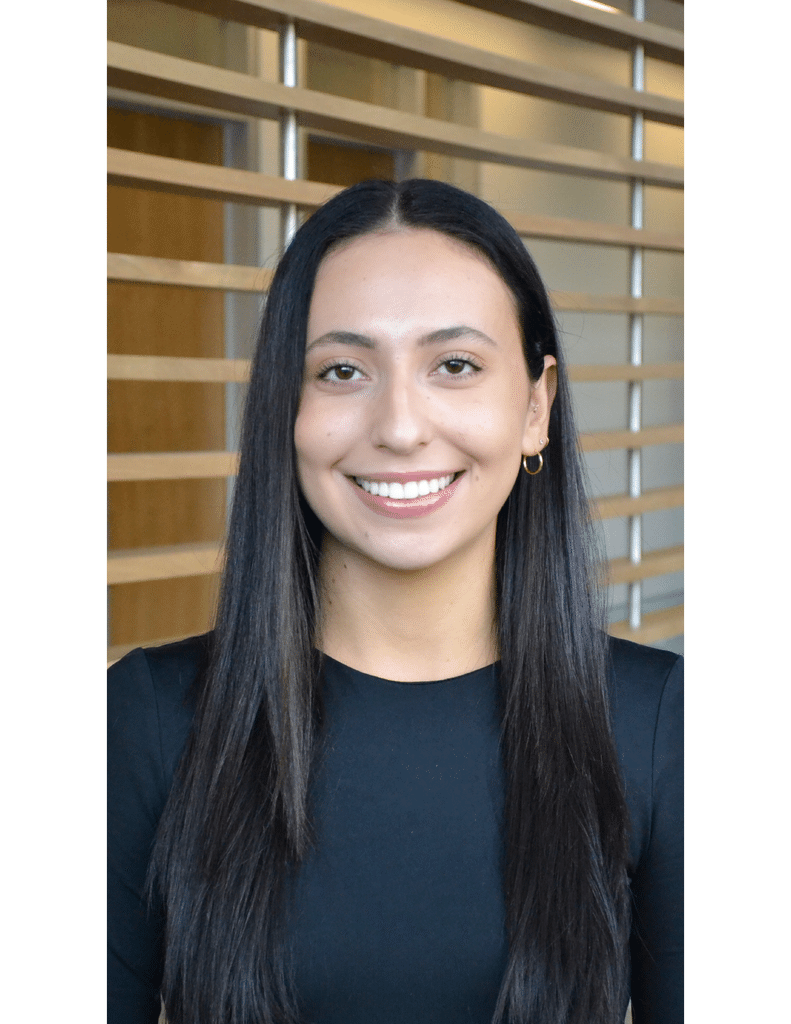 Rachel Di IorioAdolescent sexual and reproductive health · Contraceptive stigma
 Aisling BrodyCervical-cancer prevention · Implementation science
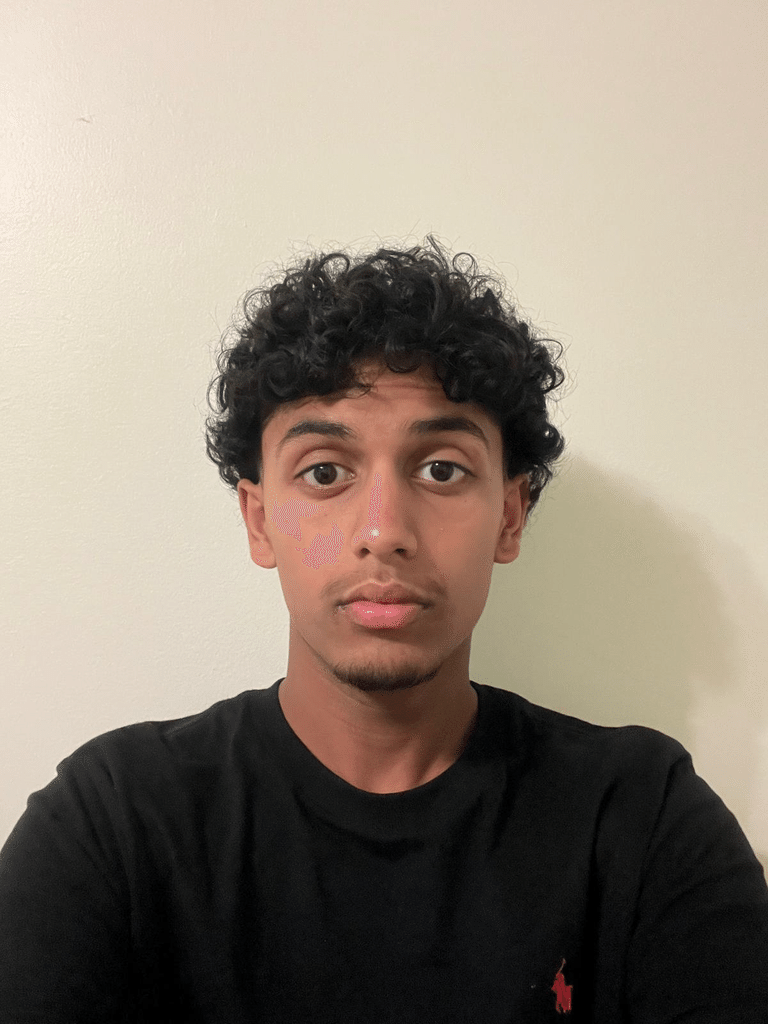 Amaan HussainiPsychiatry · Medical education
 Anisia Edward KiweluCommunity development · Health research
 Annalise GignacCervical-cancer screening · Cancer prevention
 Audrey ChoiHealth systems · Biomedical innovation
 Christine HaHealth economics · Cervical-cancer prevention
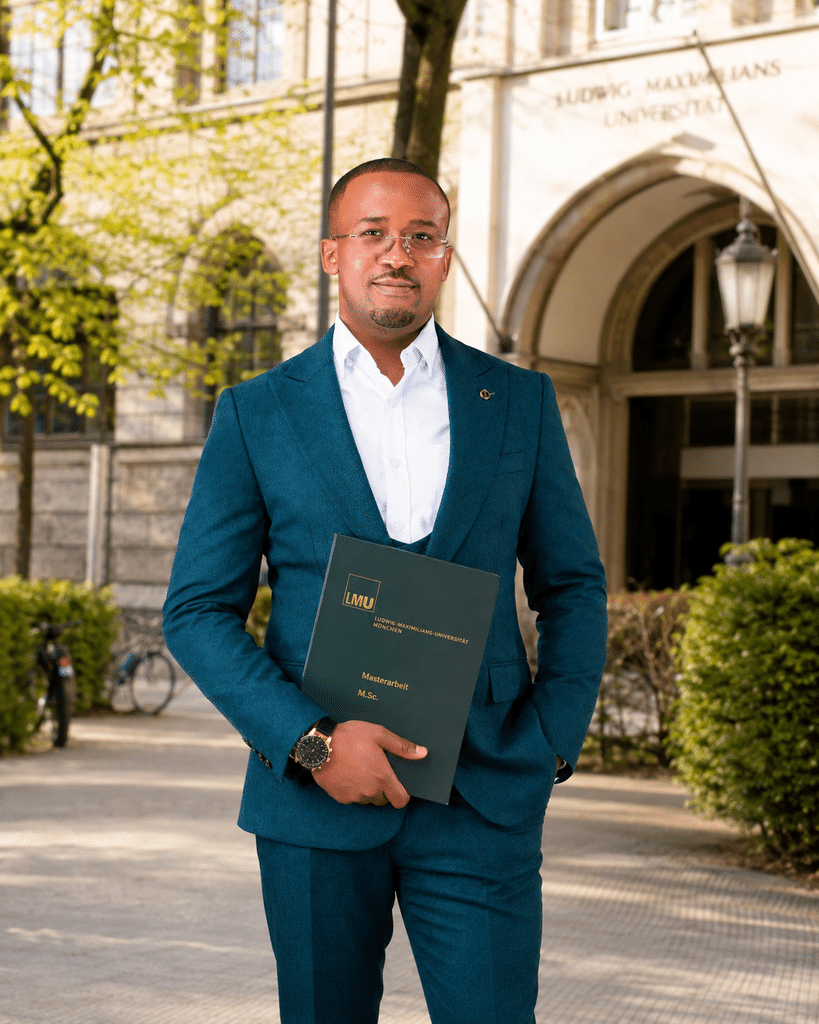 Davis AmaniCancer epidemiology · Population health
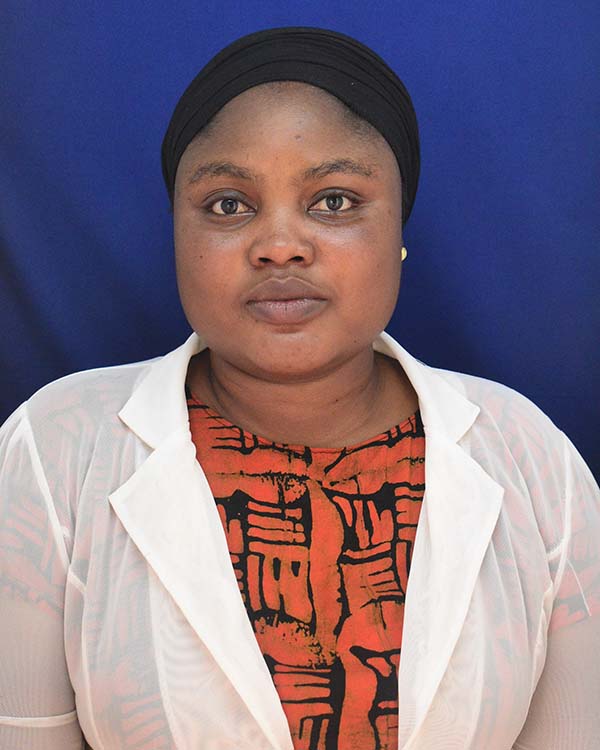 Doreen Andrew MrumaHealth research · Finance
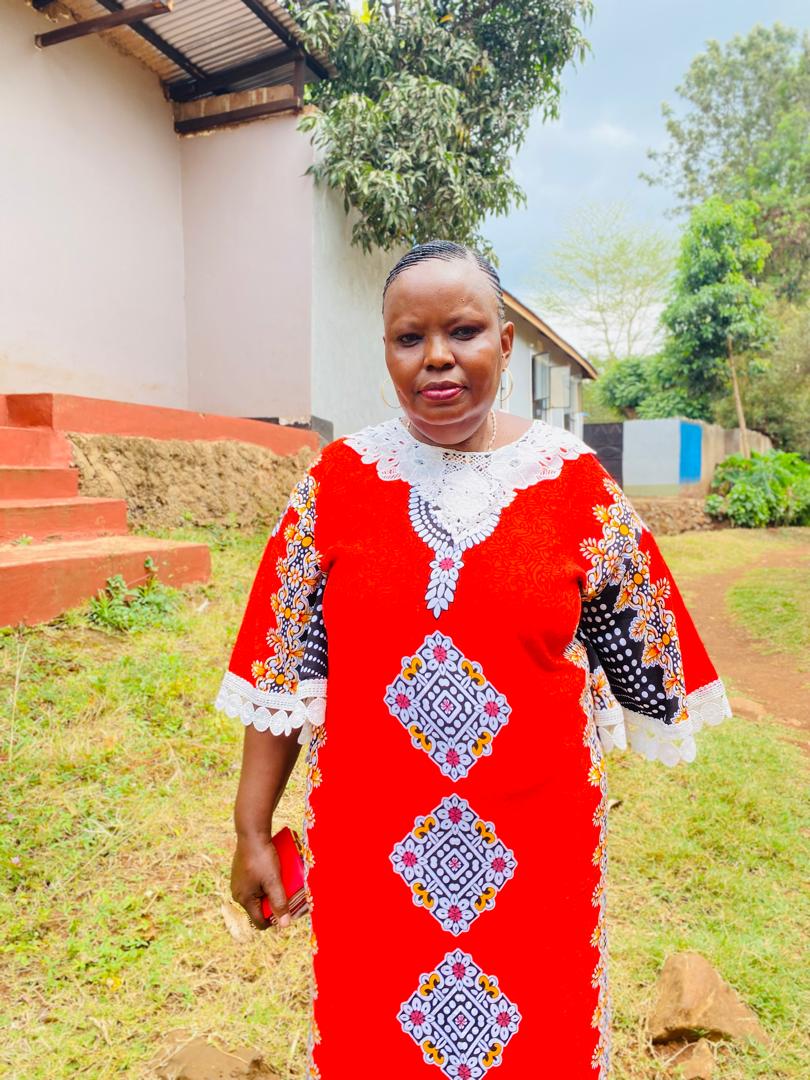 Dorothea MachuiCatering · Youth mentorship
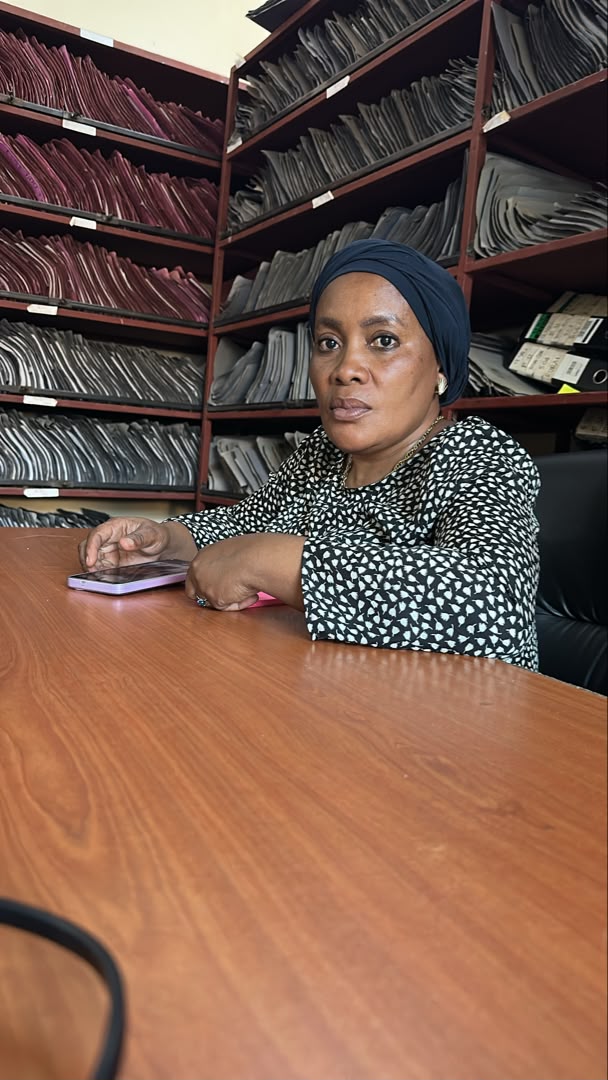 Elizabeth Godlove NgolleCommunity service · Health research
 Evan PoirierGlobal health · Cancer biology
 Hamza Walidi RajabuPublic health · Programme leadership
 Isabell KearnHealth equity · Medical-education access
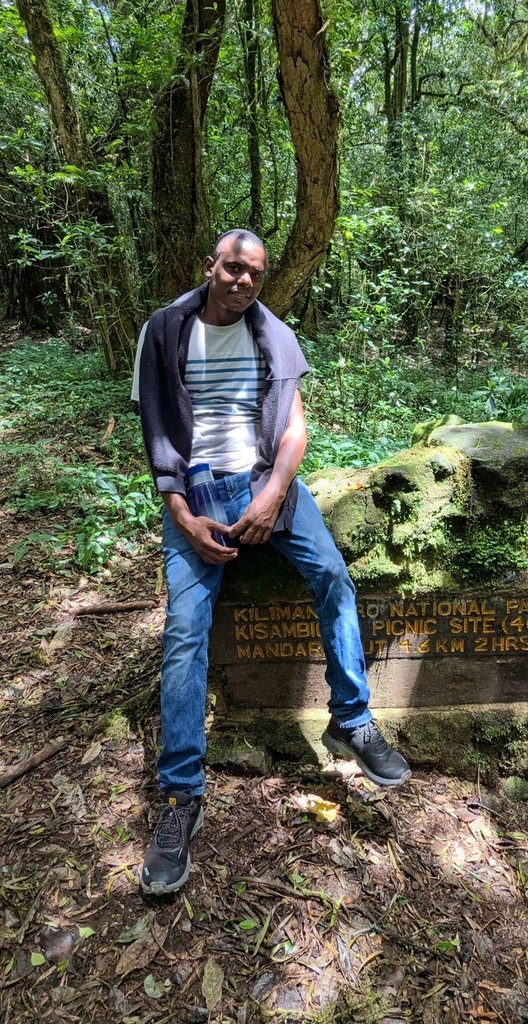 John Andrea JohnCommunity-based research · Field research
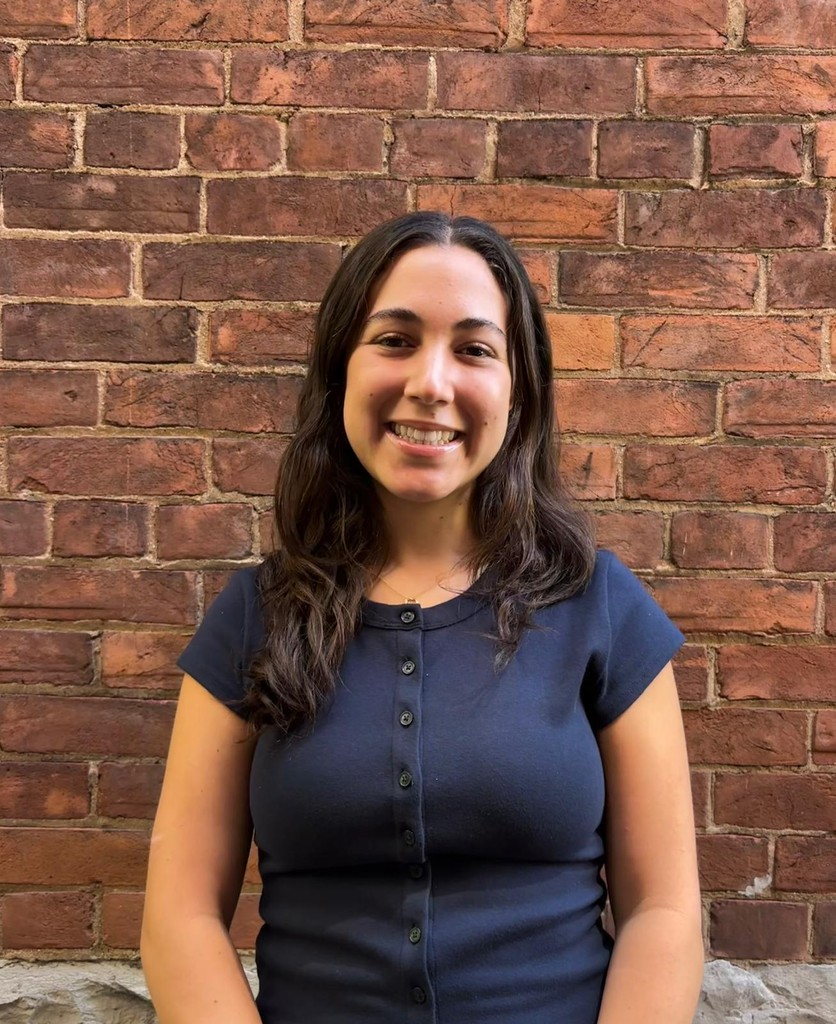 Katie LitnerImplementation science · Global health
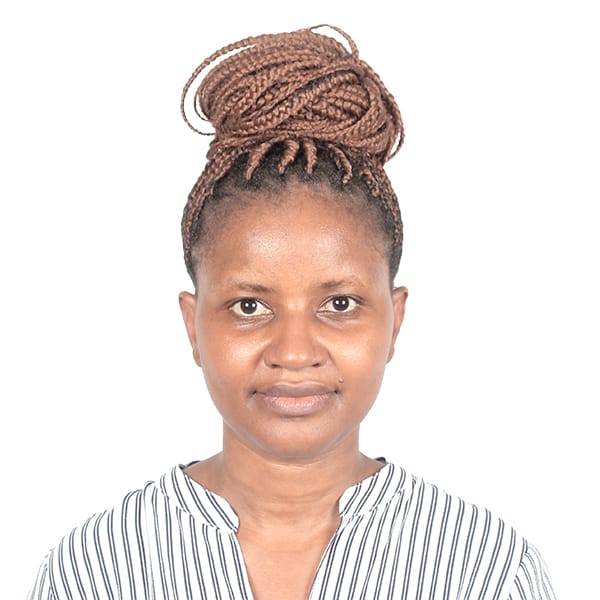 Leah John MmariResearch coordination · Cervical-cancer prevention
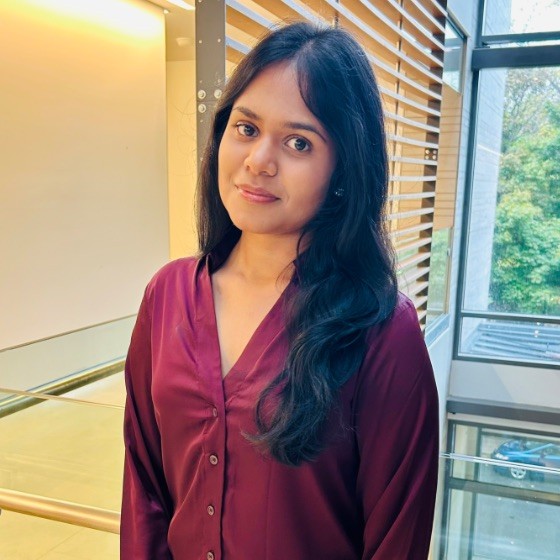 Meara SanjayanCervical-cancer care · Epidemiology
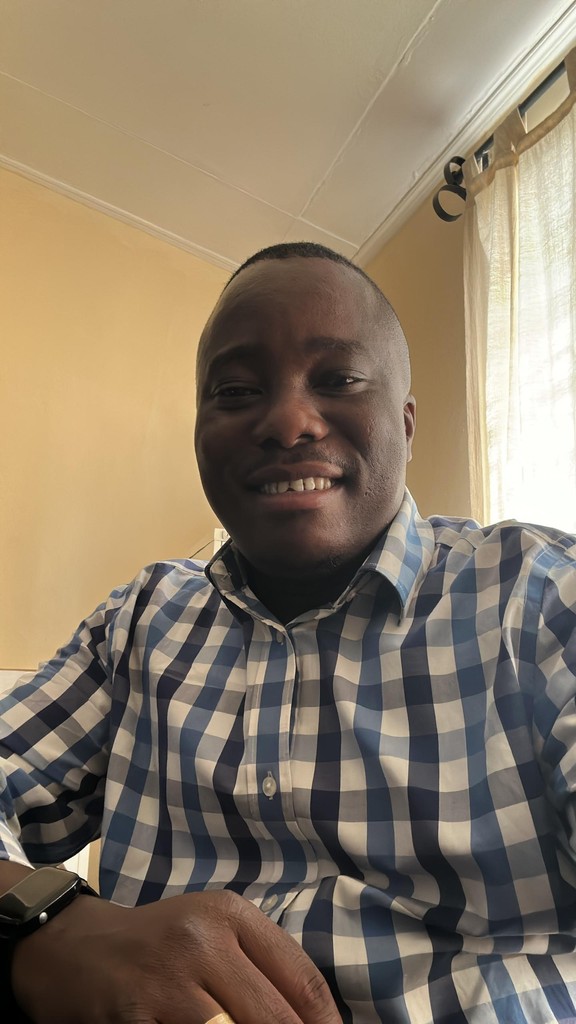 Oswald Zeno UrassaProject coordination · Health research
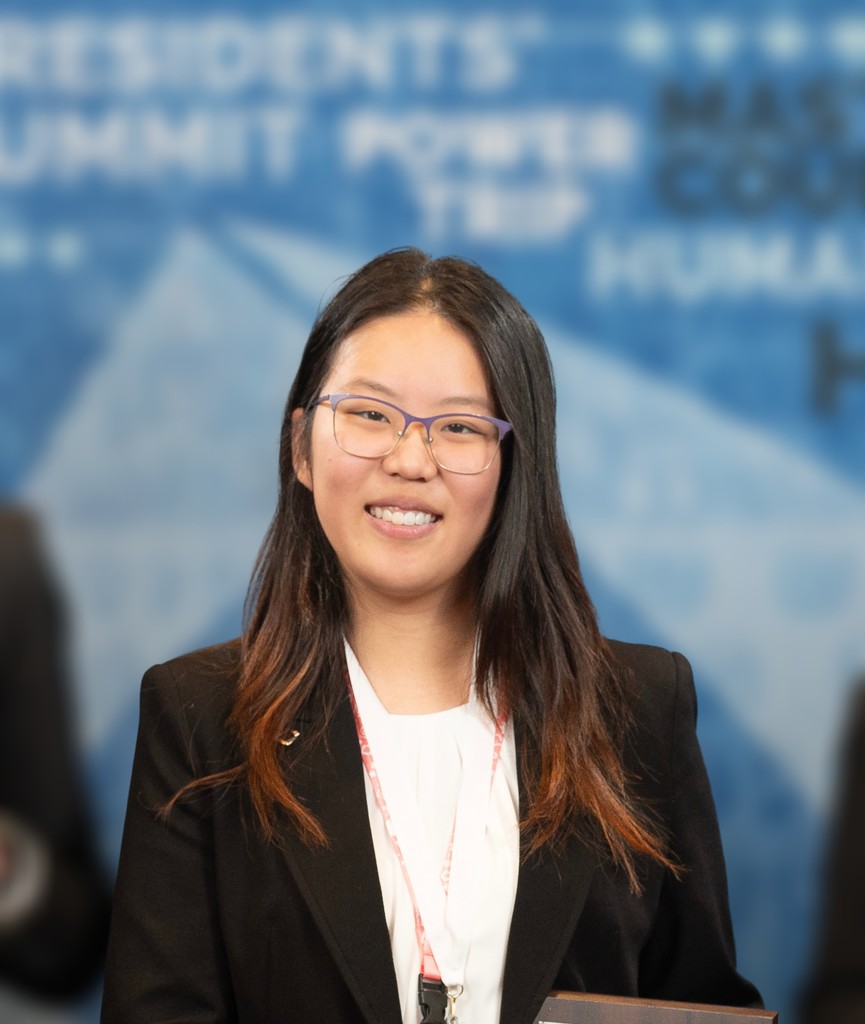 Pam LiuKidney health · NCD prevention
 Rose LucinaPopulation health · Cancer prevention
 Sarafina McInnisGlobal cancer equity · Access to care
 Selina MaPublic health · Global health