
Davis Amani
Tanzanian medical doctor, epidemiologist and global-health researcher; PhD candidate in Translational Medicine at Queen’s University and MUHAS academic and researcher.

Biography
Davis Amani is a Tanzanian medical doctor, epidemiologist and global-health researcher whose work brings together cancer epidemiology, population health, implementation science, health systems, infectious diseases, reproductive health and advanced quantitative methods. He is pursuing doctoral training in Translational Medicine at Queen’s University and remains academically and professionally connected with the Muhimbili University of Health and Allied Sciences in Tanzania.
His research has developed across national surveillance systems, implementation studies, health-system evaluations, public-health programmes and secondary-data analyses. He has contributed to work on HIV and tuberculosis, HIV drug resistance, antenatal HIV and syphilis surveillance, NCDs, maternal and reproductive health, kidney health, respiratory and critical illness, early-childhood development, digital-health strategy and the organization of evidence for policy and practice. These experiences have increasingly converged around a central interest: understanding why health outcomes and access differ across populations and how rigorous evidence can help programmes and health systems respond.
A major strand of his current work uses large population datasets, including Demographic and Health Surveys, to study contraception, intimate-partner violence, women’s empowerment, reproductive decision-making, adolescent girls and young women, and health inequalities across countries and over time. His methodological interests include complex-survey analysis, multilevel and hierarchical modelling, pooled and country-specific analyses, reproducible R workflows, epidemiologic methods and the interpretation of heterogeneity across settings.
Within GHIRL, Davis contributes epidemiology, secondary-data research, scientific writing, research coordination and mentorship. His work links the lab’s population-data and methods platform with cancer, NCD, HIV/TB, reproductive-health and health-system questions, with the broader goal of building research systems that can move efficiently from data to evidence and from evidence to better decisions.
Meet More of the Community
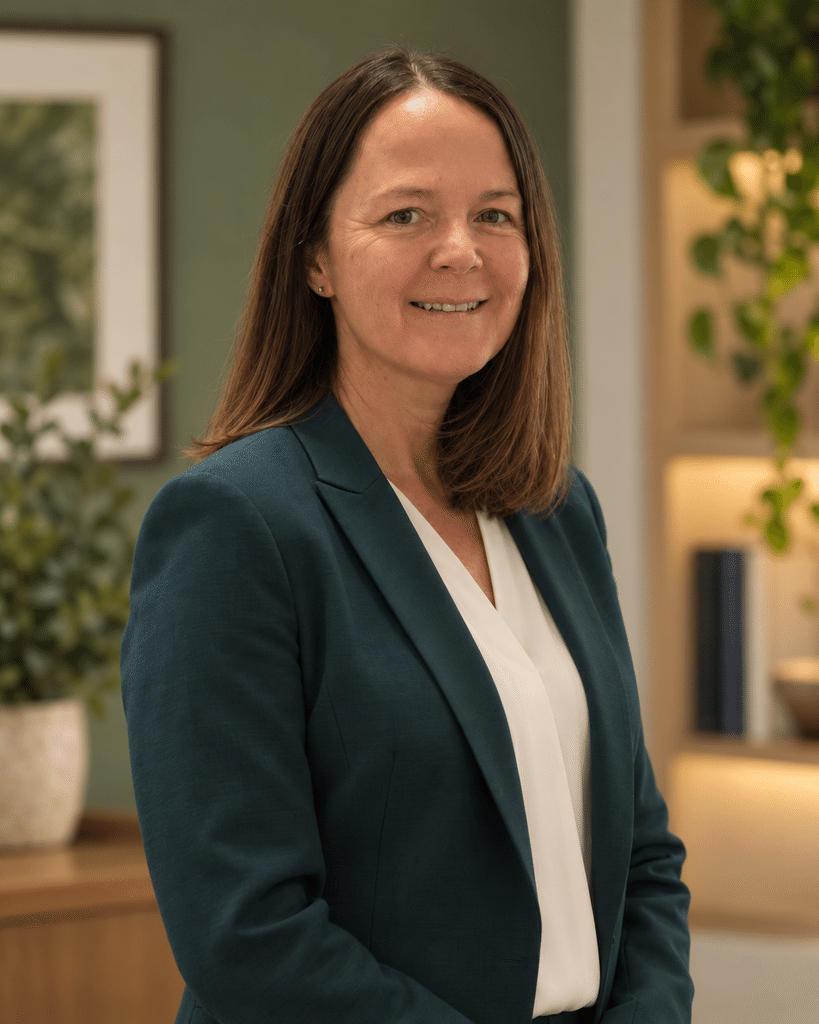 Karen YeatesGlobal health · Implementation science
 Nicola WestImplementation science · Community partnership
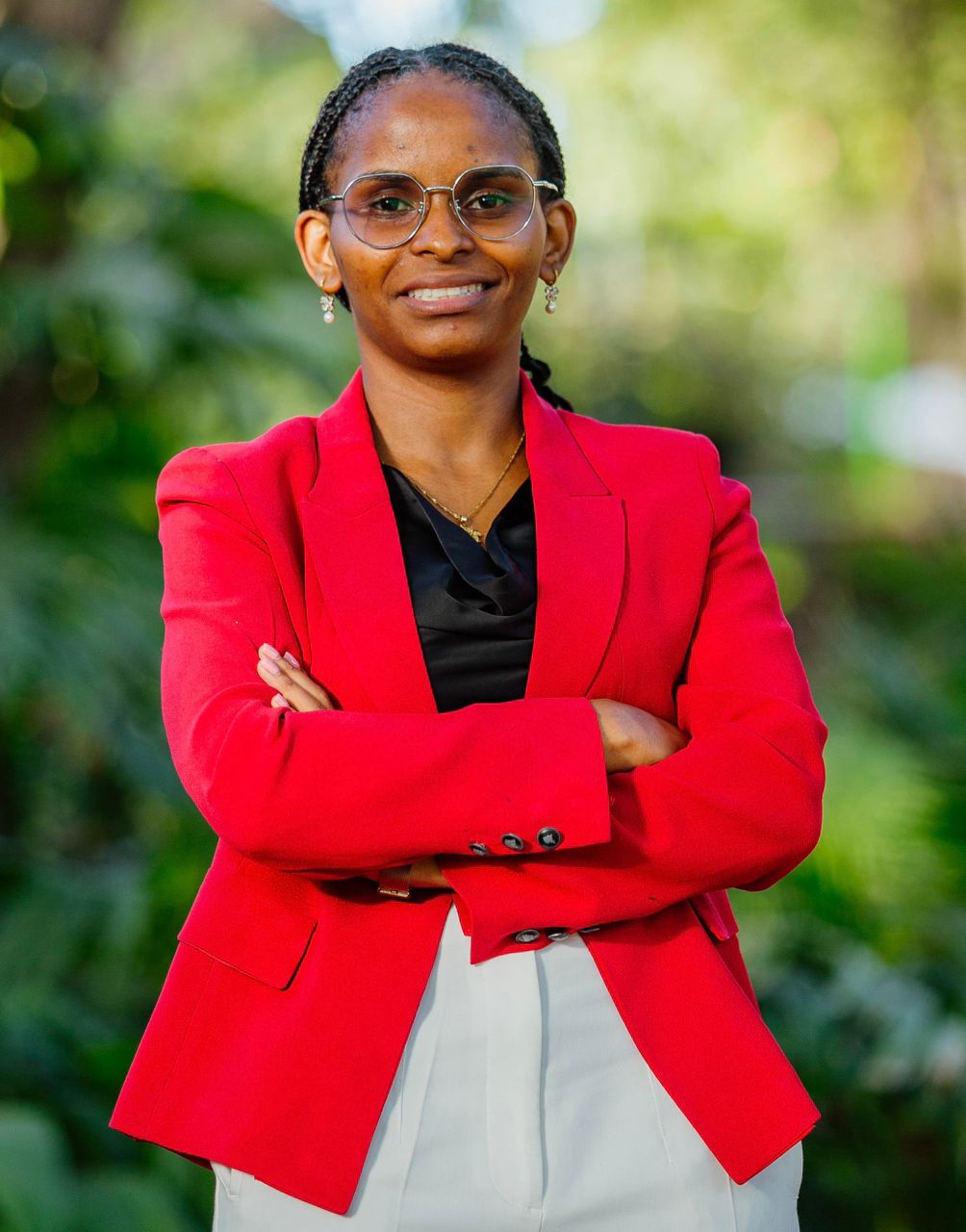 Jackline NgowiImplementation science · Health economics
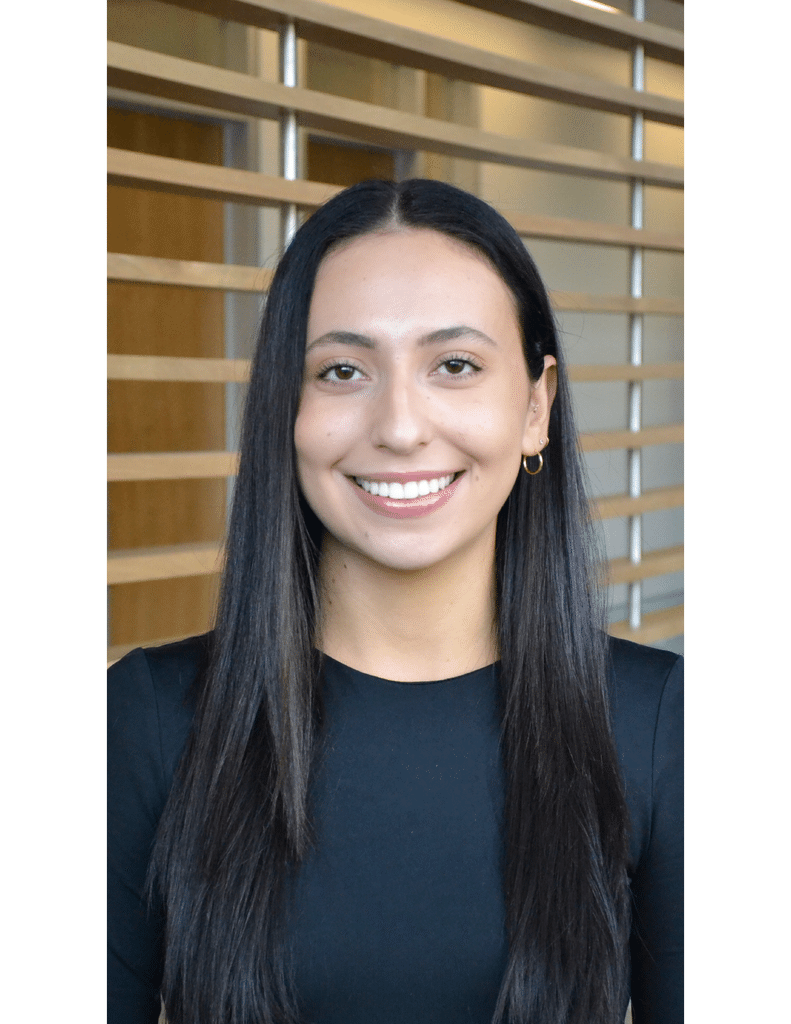 Rachel Di IorioAdolescent sexual and reproductive health · Contraceptive stigma
 Aisling BrodyCervical-cancer prevention · Implementation science
 Amaan HussainiPsychiatry · Medical education
 Anisia Edward KiweluCommunity development · Health research
 Annalise GignacCervical-cancer screening · Cancer prevention
 Audrey ChoiHealth systems · Biomedical innovation
 Christine HaHealth economics · Cervical-cancer prevention
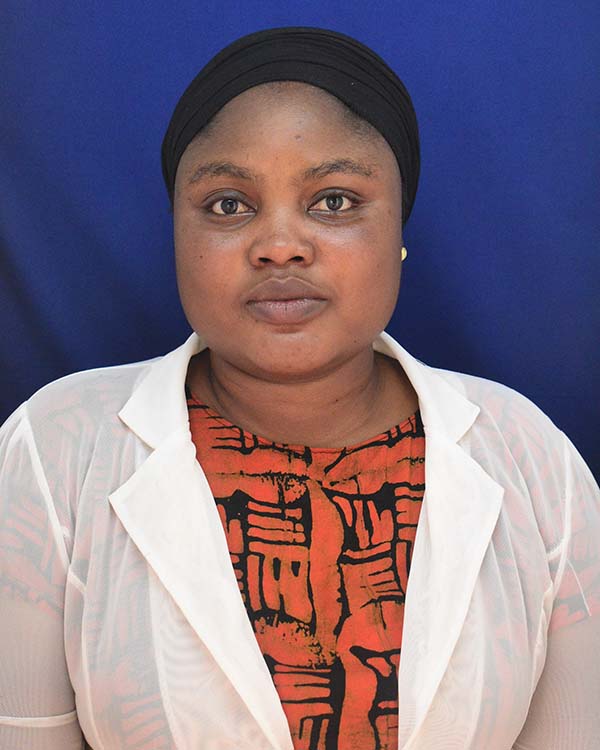 Doreen Andrew MrumaHealth research · Finance
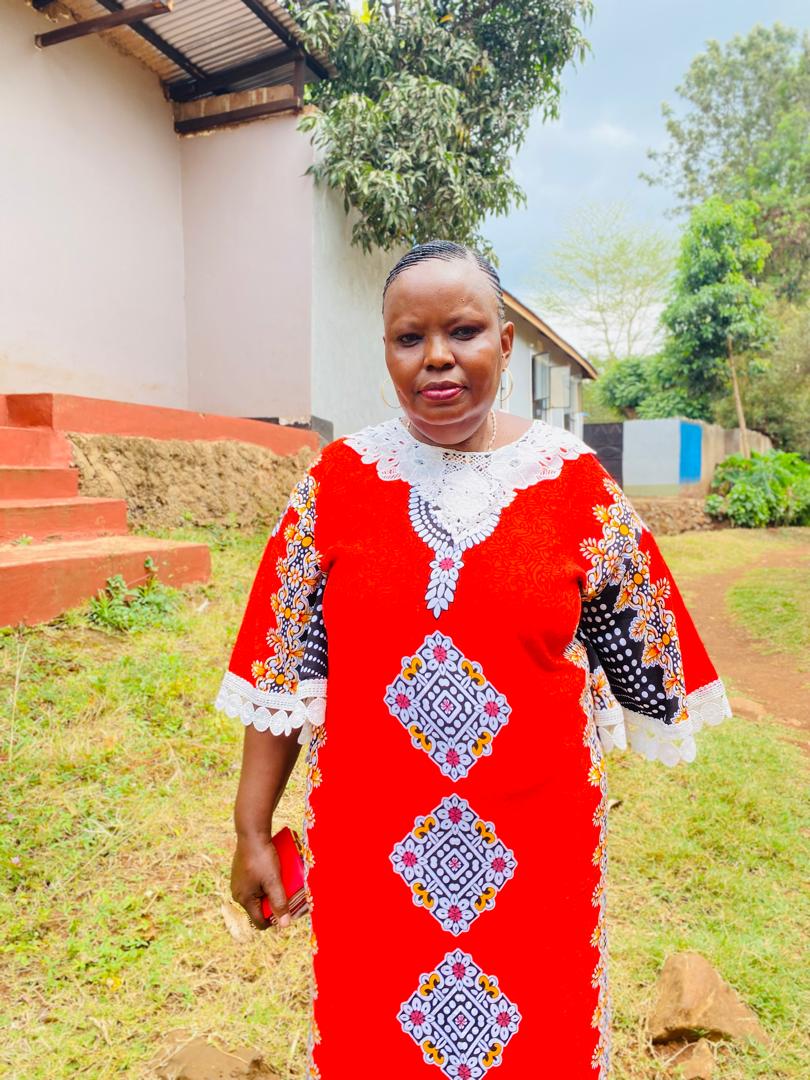 Dorothea MachuiCatering · Youth mentorship
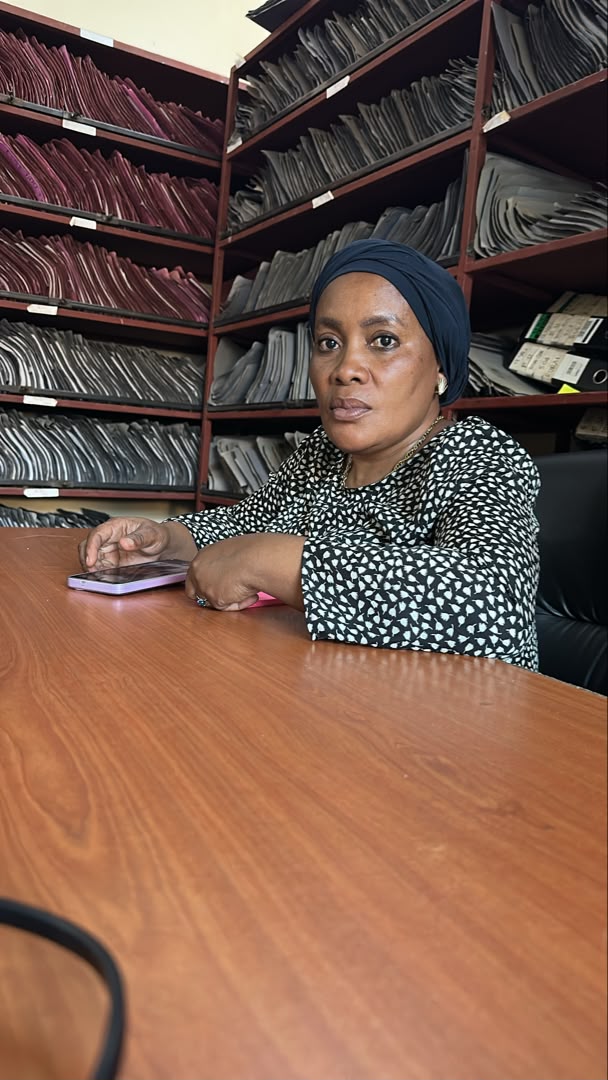 Elizabeth Godlove NgolleCommunity service · Health research
 Evan PoirierGlobal health · Cancer biology
 Hamza Walidi RajabuPublic health · Programme leadership
 Isabell KearnHealth equity · Medical-education access
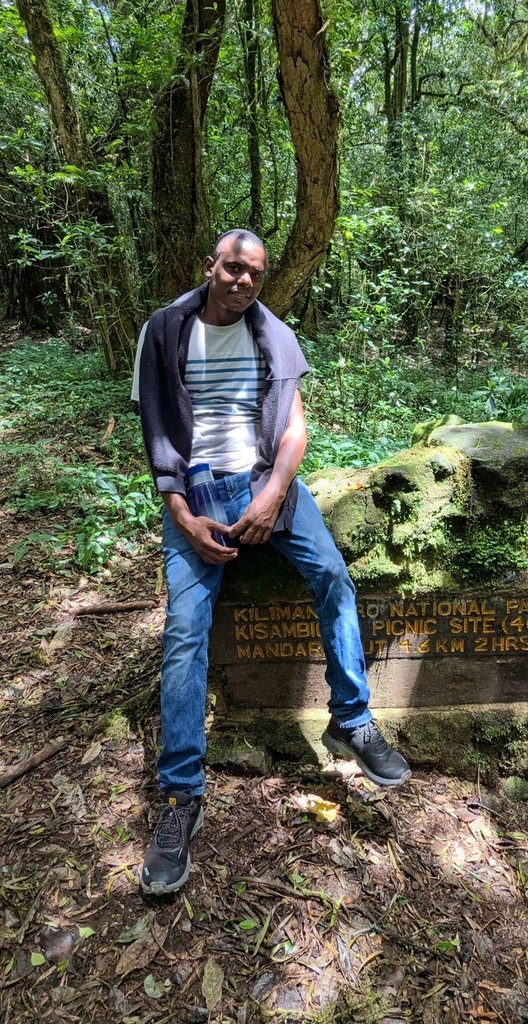 John Andrea JohnCommunity-based research · Field research
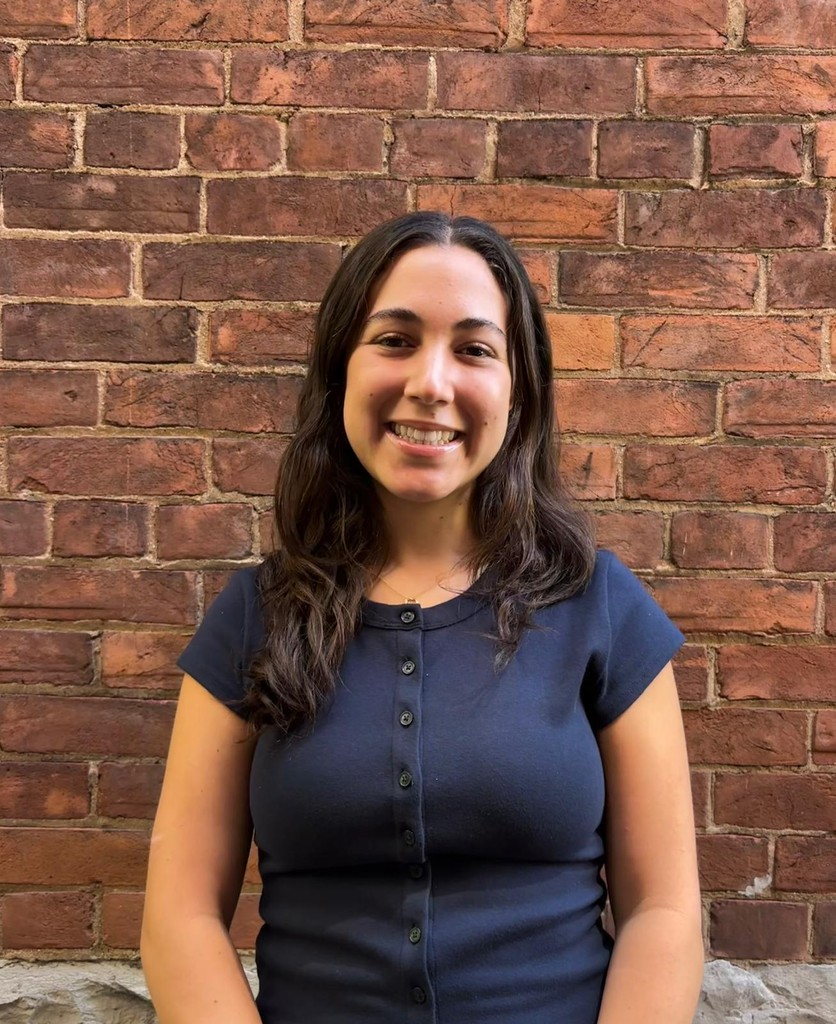 Katie LitnerImplementation science · Global health
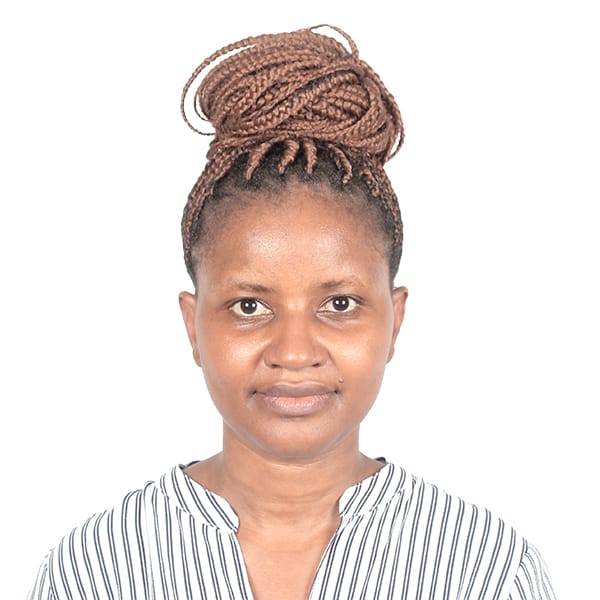 Leah John MmariResearch coordination · Cervical-cancer prevention
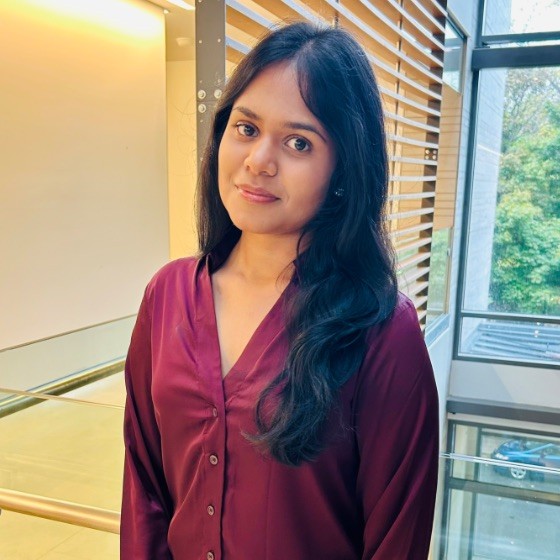 Meara SanjayanCervical-cancer care · Epidemiology
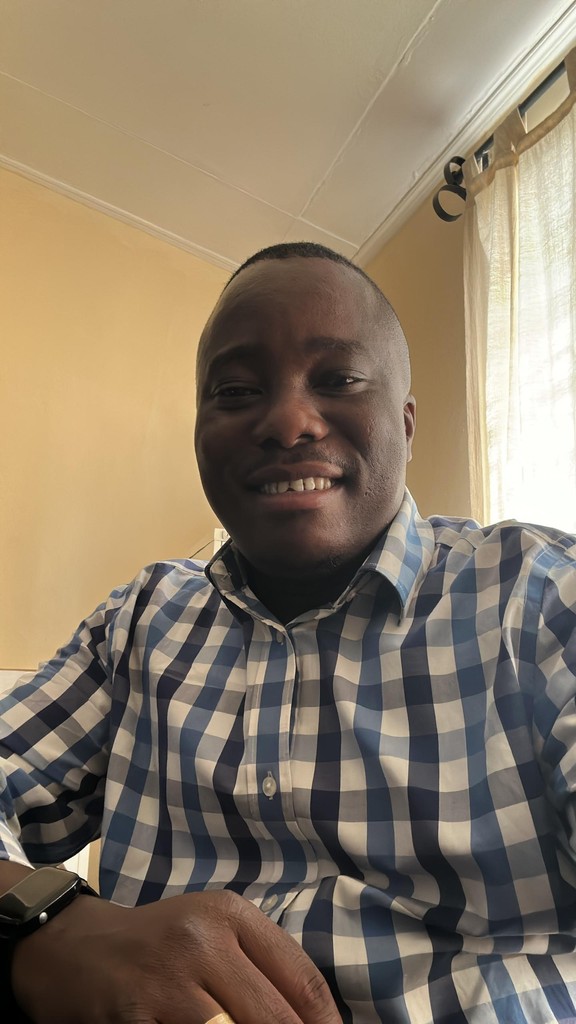 Oswald Zeno UrassaProject coordination · Health research
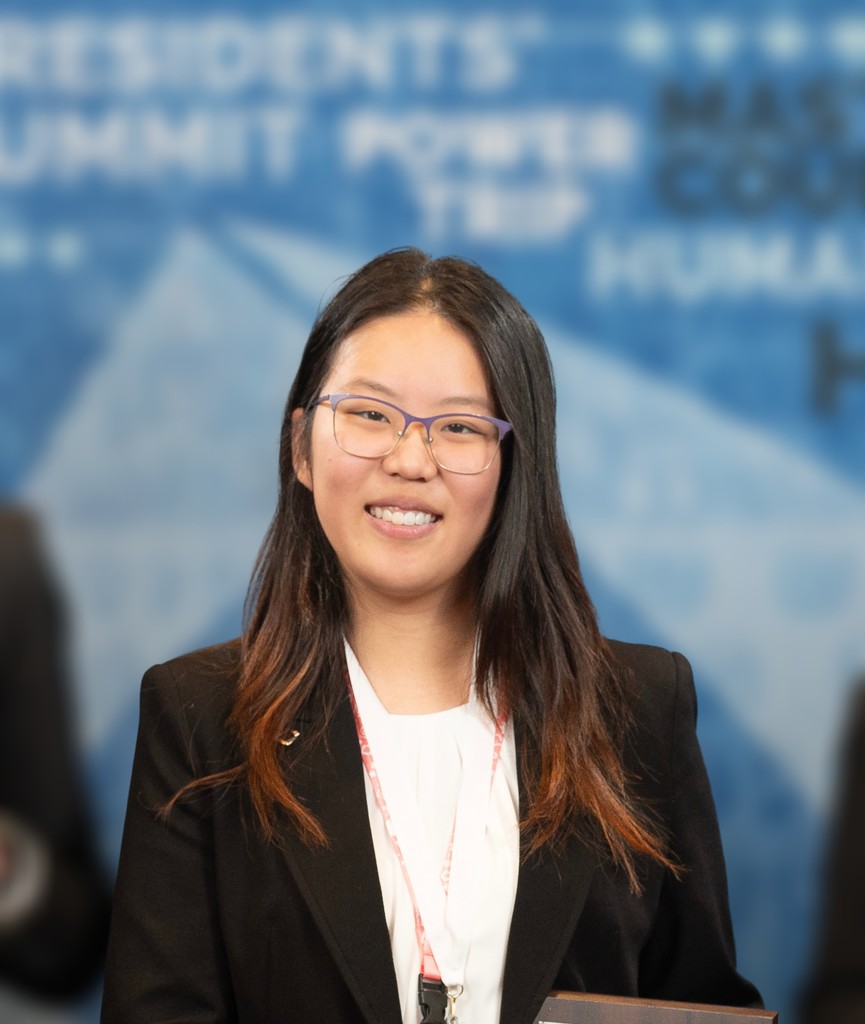 Pam LiuKidney health · NCD prevention
 Rose LucinaPopulation health · Cancer prevention
 Sarafina McInnisGlobal cancer equity · Access to care
 Selina MaPublic health · Global health