Research Insights translate reviewed evidence into clear explanations, questions and implications for practice.
Evidence explained
Research Insights
Question-led explanations connect reviewed findings, research gaps and future research without overstating the evidence.
46 Research Insights
3 sources
From Screening to Treatment: Why Reaching Women Is Only the First Step
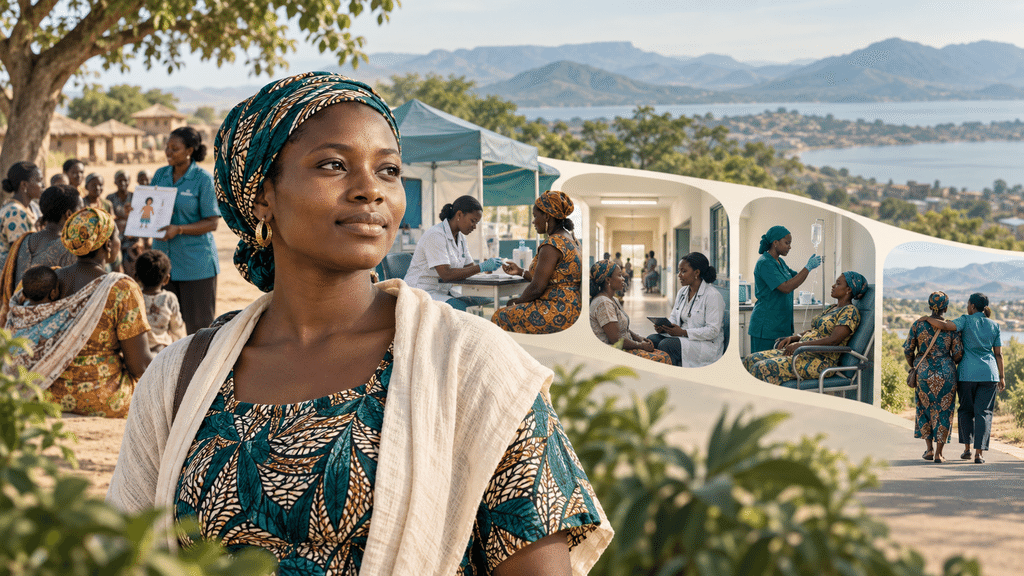
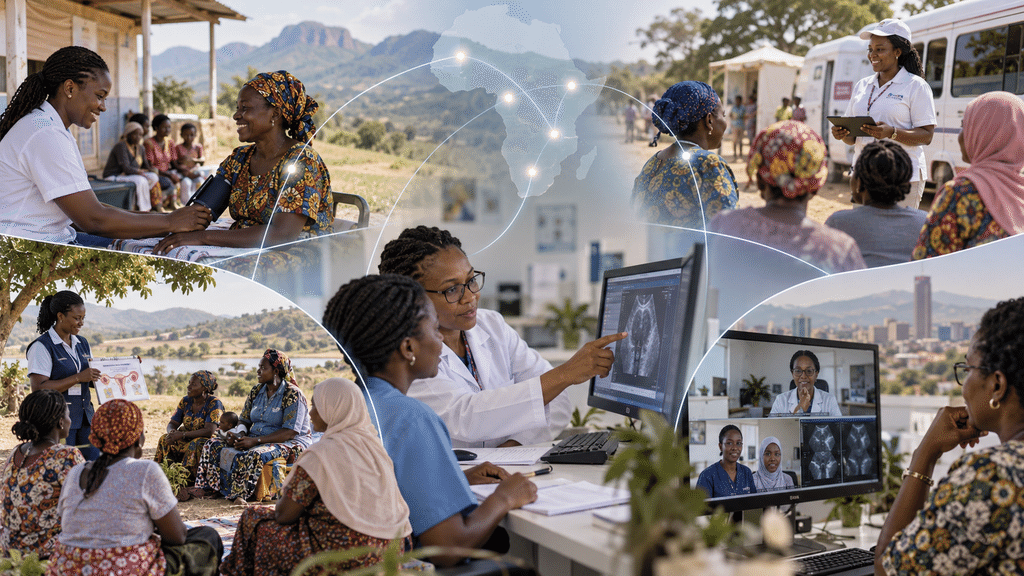
Cervical-cancer prevention is often described through screening coverage: how many women were invited, tested or reached. Those numbers matter, but they describe only the beginning of a prevention pathway. A programme can identify women at risk and still fail to prevent cancer if results are delayed, referral is difficult, treatment is unavailable, or women disappear from care between one stage and the next.
Can HPV Self-Sampling Widen Access Without Creating a New Follow-Up Gap?
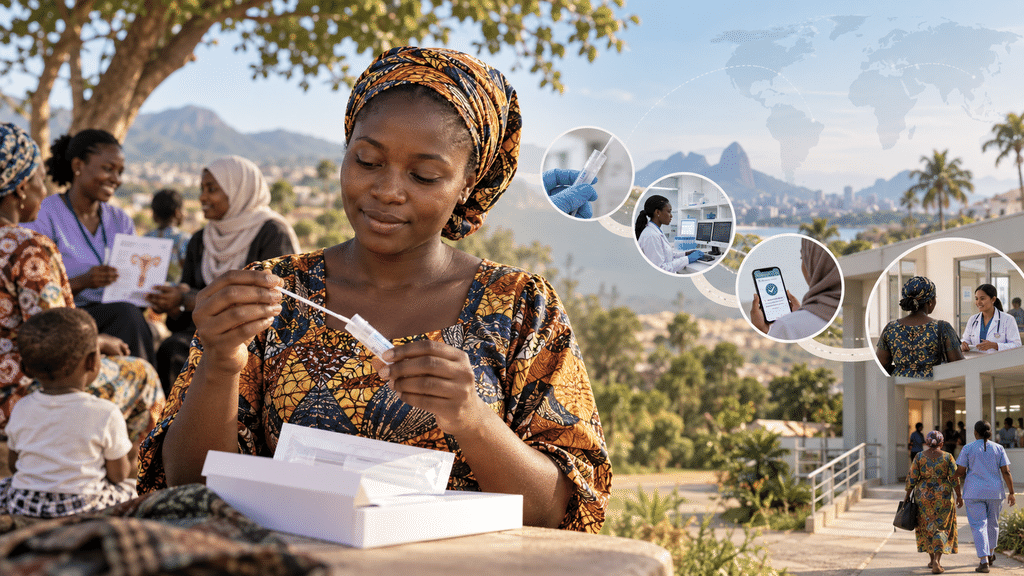
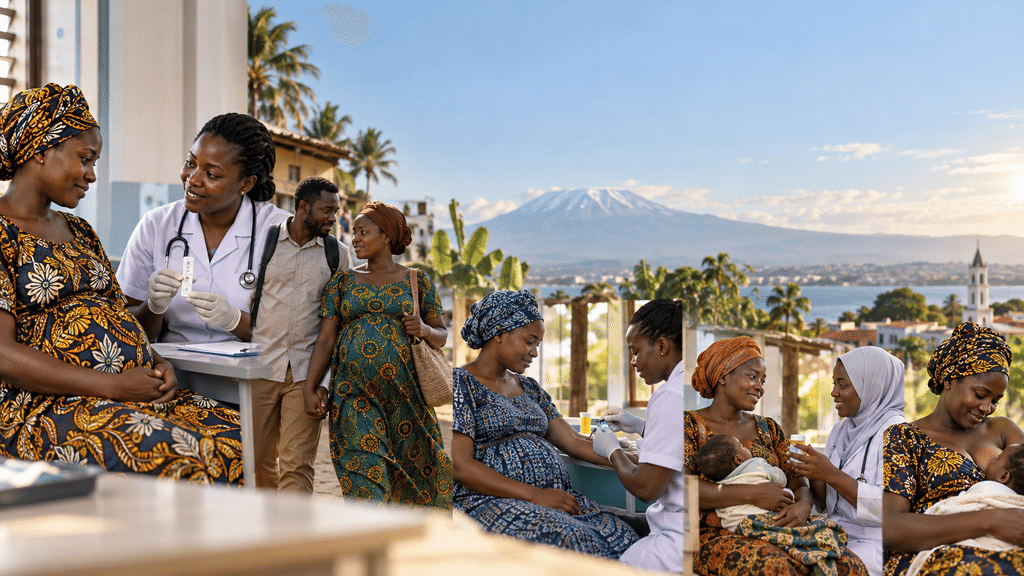
HPV self-sampling changes a familiar assumption in cervical-cancer screening: a woman does not necessarily have to begin with a conventional pelvic examination in a clinic. Collecting a sample herself can reduce barriers related to privacy, embarrassment, travel, clinic time and provider availability. That can widen the front door to screening.
What Women Understand About HPV Changes What Screening Can Achieve
A screening programme can put a test within reach and still fail to create informed participation. Cervical-cancer prevention depends partly on infrastructure and clinical capacity, but it also depends on whether women understand what HPV is, how it relates to cervical cancer, what a positive result means and why follow-up matters.
Contraceptive access is often measured by whether a service exists, a method is stocked and a woman can reach a facility. For adolescents and young women, those measures can miss another cost: what seeking contraception may communicate to peers, partners, family members or the wider community. A service can be free and geographically available while remaining socially difficult to use.
She Needs Permission: How Autonomy and Gender Shape Care
A health service can be technically available and still remain out of reach if a woman cannot decide when to seek it, control the money needed to travel, move freely, obtain privacy or act without another person’s permission. Autonomy is therefore not an abstract social variable; it can be one of the mechanisms through which care becomes possible or impossible.
When a Warning Sign Must Travel Faster Than the Patient
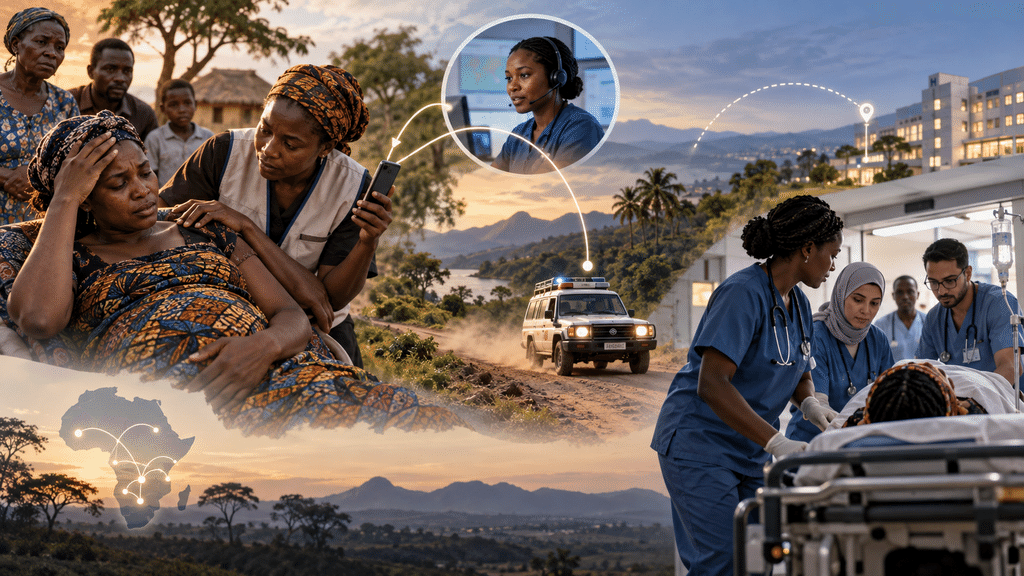
Maternal emergencies expose a simple but unforgiving reality: recognizing danger is not enough if a woman cannot reach appropriate care in time. Delays in transport and referral can turn a treatable complication into a life-threatening event, particularly where ambulances are scarce and facilities differ in the level of care they can provide.
Women, HIV and Cervical Cancer: When Two Care Pathways Must Become One
Women living with HIV face a substantially higher risk of persistent HPV infection and cervical disease, yet HIV care and cervical-cancer prevention have often developed as separate service pathways. That separation creates a paradox: a health system may successfully retain women in HIV care while still failing to complete the screening, triage and treatment steps needed to prevent cervical cancer.
From Technology to Trust: Why Participation Matters in Women’s Cancer Care
A new technology can remove an important barrier to cervical-cancer prevention without making a programme trustworthy, understandable or easy to use. A smartphone can strengthen clinical supervision. A text message can remind someone that screening exists. Self-sampling can reduce the need for a conventional pelvic examination. None of those tools, by itself, determines whether women feel comfortable entering care or whether a positive result leads to treatment.
Violence, Autonomy and Reproductive Decision-Making
Reproductive-health decisions are frequently presented as individual choices: whether to use contraception, seek antenatal care, deliver in a facility or return for follow-up. But those choices do not always occur under conditions of complete freedom. Relationships, economic dependence, household decision-making, fear of violence, social expectations and control over mobility can change both the options available and the consequences of choosing them.
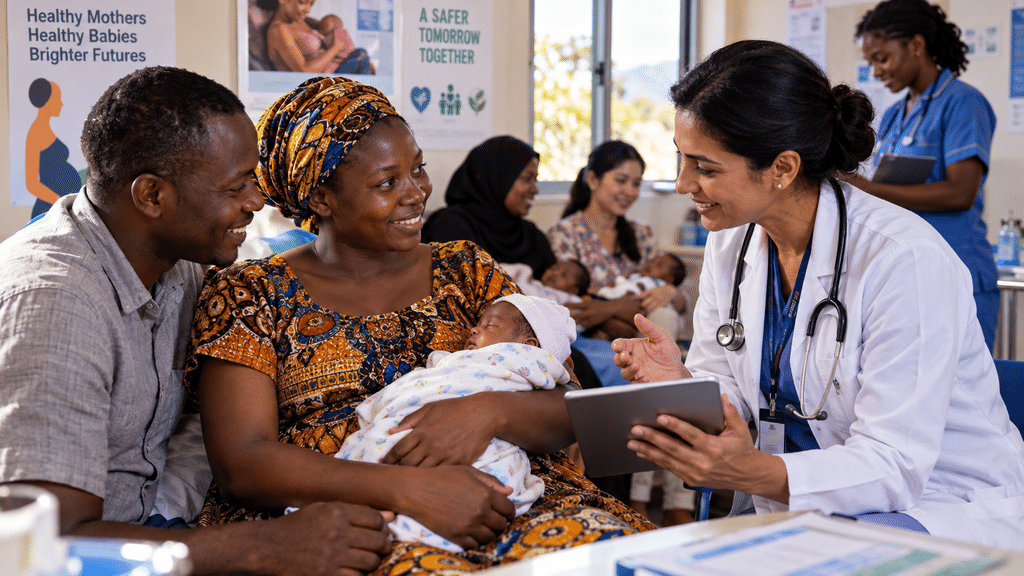
Maternal health is often measured at facilities: antenatal contacts, deliveries attended, complications treated. Yet the maternal journey begins before a facility and continues after discharge. A woman has to recognize a need, decide to seek care, mobilize money and transport, reach an appropriate service, move through referral if needed, and remain connected after an emergency or birth.
Finding Risk Is Not the Same as Controlling Disease
Population studies are very good at revealing risk. They can show how common hypertension is, how cardiovascular risk differs between communities, and how diet, obesity, diabetes, environment and socioeconomic conditions cluster. The harder question begins after risk has been identified: does the health system convert detection into durable control?
What Long-Running Population Studies Reveal About the Places Where Health Is Made
Health is shaped in places long before it is measured in clinics. The neighbourhood determines whether walking is easy or dangerous. Household energy affects what people breathe while cooking. Food environments shape what is affordable and normal to eat. Social connection influences whether someone has practical support during illness. Long-running population studies make these conditions visible by following people across very different social and environmental settings.
From Conference Hall to Policy Table: Can Local Evidence Change NCD Policy?
Research dissemination is often described as the final step of a study: findings are presented, a paper is published and the work is considered complete. Tanzania’s national NCD scientific-conference series suggests a different model - a recurring place where local research, implementation experience and policy questions can meet.
The Cost of Chronic Disease Is More Than a Medical Bill
The cost of chronic disease is not limited to a consultation fee or a packet of medicines. Long-term conditions create repeated transport costs, lost work, caregiver time, diagnostic expenses and the opportunity cost of spending hours moving through care. In settings where treatment must be sustained for years, small recurring costs can become the reason continuity breaks.
Can Nurses and Community Health Workers Close the NCD Care Gap?
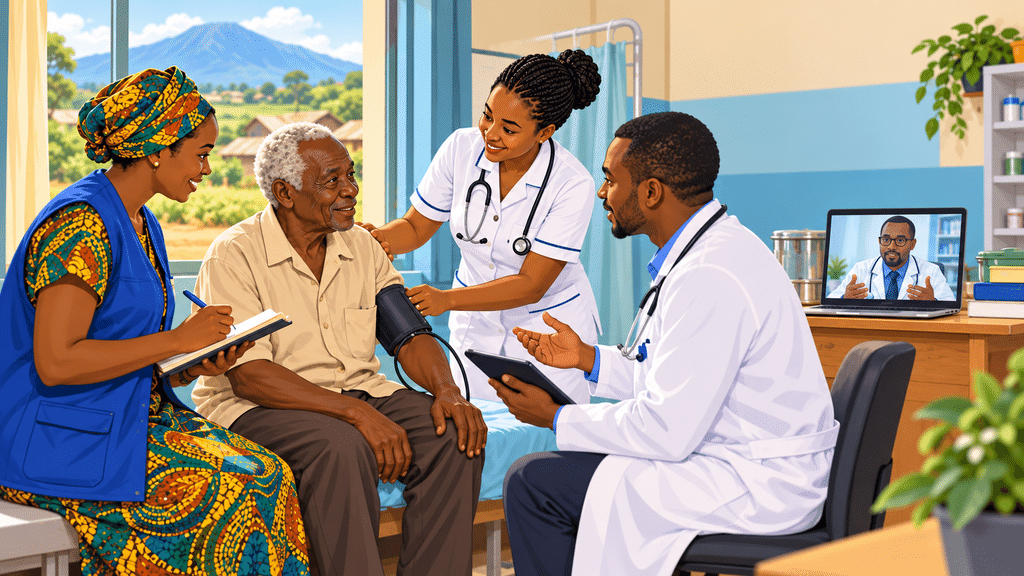
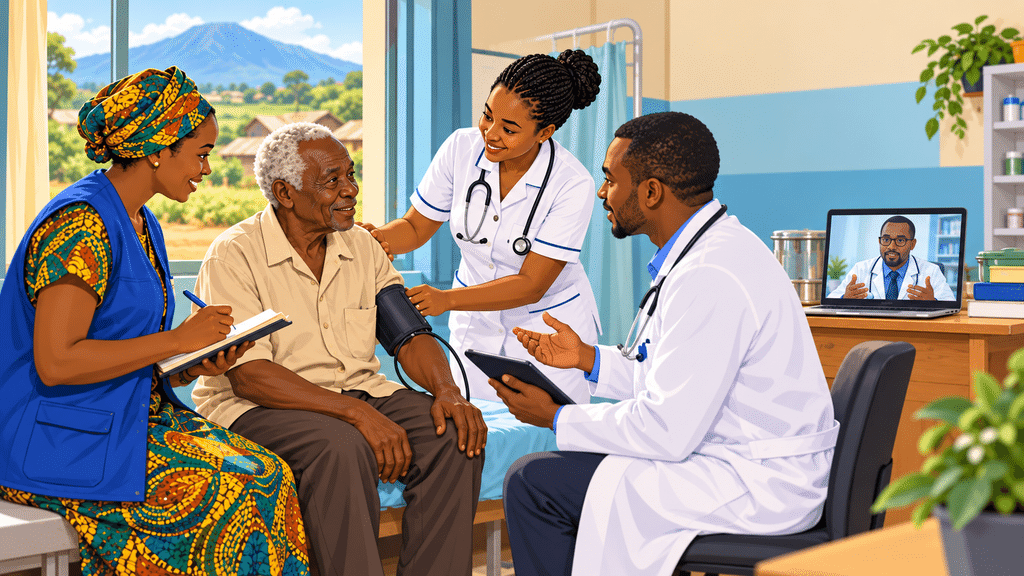
Many chronic-disease strategies quietly assume a workforce that does not exist. Hypertension and diabetes require repeated monitoring and follow-up, while specialist services may be concentrated in a few urban centres. If every routine decision waits for the highest-trained professional, access becomes constrained by geography and scarcity.
Diet, Movement and the Environments That Shape Risk
Diet and physical activity are often presented as individual choices, yet the available choices are shaped by food systems, transport, urban design, household resources and social norms. Large international cohorts have made this interaction unusually visible by studying the same broad behaviours across very different countries.
Non-communicable disease is usually diagnosed in adulthood, but many of the exposures and habits that shape later risk begin much earlier. Adolescence is a period when food preferences, movement patterns, sleep, tobacco or alcohol exposure, body image and health literacy are changing at the same time as young people move through schools, families and peer networks.
Health systems often organize diseases into separate programmes, but people do not live one diagnosis at a time. An adult living with HIV may also develop hypertension, diabetes or kidney disease. A pregnant woman may have chronic disease alongside infectious or obstetric risk. Older adults can carry several conditions that compete for medication, appointments and attention.
The HIV care cascade is usually presented as testing, linkage, treatment, retention and viral suppression. Climate change complicates that picture because every step depends on systems outside the clinic: roads, household resources, supply chains, stable livelihoods and functioning health infrastructure.
From Case Finding to Continuity: Where HIV and TB Programmes Lose People
Finding an infection is one of the most visible successes in an infectious-disease programme. A person tests positive for HIV, an index tuberculosis case is diagnosed, or a household contact is identified. Yet the public-health benefit depends on what happens next. Detection without confirmation, linkage, treatment, prevention or follow-up can create a programme that counts cases more successfully than it changes outcomes.
National HIV programmes need summary indicators, and viral suppression is one of the most important. But a strong overall percentage can conceal smaller groups for whom treatment is failing, drug resistance is emerging, or access to care remains incomplete.
When One Negative HIV Test in Pregnancy May Not Be the End of the Story
A negative HIV test in pregnancy is reassuring, but it is not always the end of the prevention story. Women can acquire HIV after the first antenatal test, and new infection during pregnancy or breastfeeding has implications for maternal health and vertical transmission.
Malaria Prevention: Why Uptake Depends on More Than Having an Effective Tool
Malaria prevention in pregnancy has highly effective tools, yet the existence of a bed net does not guarantee that a pregnant woman receives, redeems and uses one. The HASA studies in Tanzania make that implementation gap unusually visible because they separate the digital intervention from the workflow around it.
Infectious-Disease Programmes as Platforms for Broader Care
Disease programmes build capabilities as well as services. HIV programmes develop longitudinal records, medication distribution, adherence support and repeated patient contact. TB programmes build laboratory and contact-tracing systems. Those capabilities can potentially support broader care - but only if integration is deliberate.
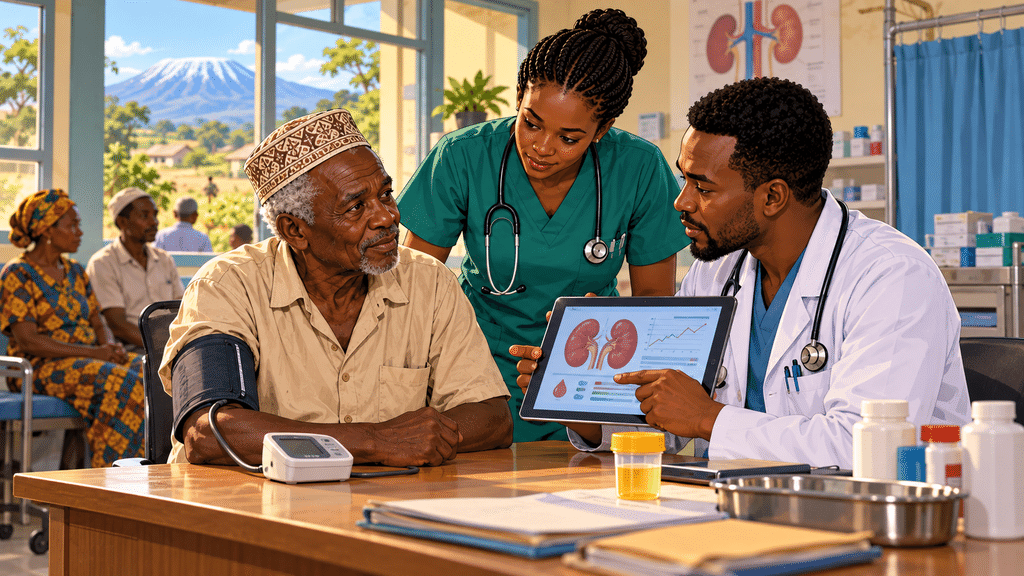
Kidney disease makes health-system inequality unusually visible because treatment can depend on specialist expertise, repeated travel, dialysis infrastructure, reliable supplies, financing and access to transplantation. Two people with similar clinical need can therefore face very different pathways depending on where they live and how the system receives them.
When Place Determines the Treatment You Can Receive
For kidney disease, place can become part of the treatment. A person who needs haemodialysis several times each week cannot separate care from transport, housing, family and community. A transplant candidate may need repeated specialist assessments far from home. Home dialysis can reduce travel but transfers technical responsibilities into the household.
Kidney Health at the Intersection of Work, Heat and Inequality
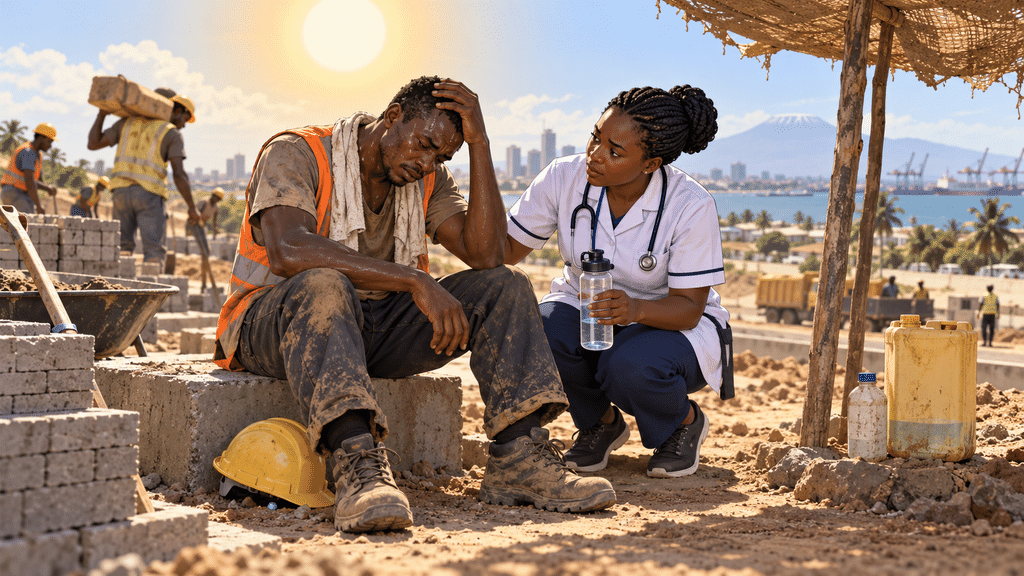
Repeated heat exposure, heavy physical work and limited opportunity to rest or rehydrate can turn a workplace into a kidney-health environment. This matters particularly as climate change increases the frequency and intensity of heat extremes in regions where labour protection, mechanization and access to healthcare may be limited.
Effective antiretroviral therapy has transformed HIV into a condition that many people live with for decades. As survival improves, kidney disease, hypertension, diabetes, medication toxicity and ageing become increasingly relevant to long-term health. HIV care therefore has to look beyond viral load alone.
Acute Kidney Injury in Health Systems With Limited Critical-Care Resources
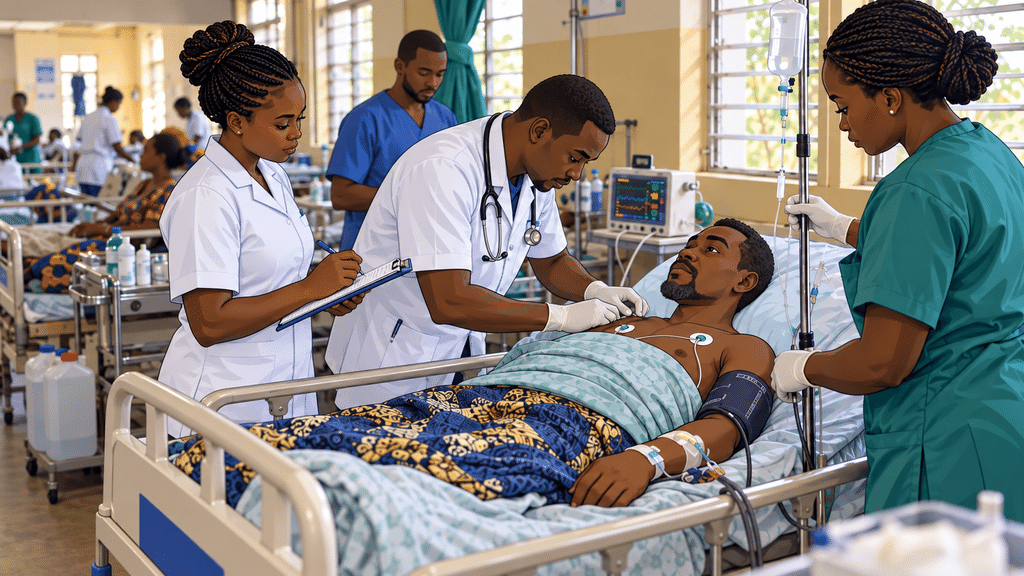
Acute kidney injury is often discussed as a clinical syndrome, but survival can depend on whether a health system recognizes the problem early enough and has somewhere for the patient to go. Laboratory tests may be limited, referral delayed, intensive-care capacity scarce and conventional haemodialysis technically or financially inaccessible.
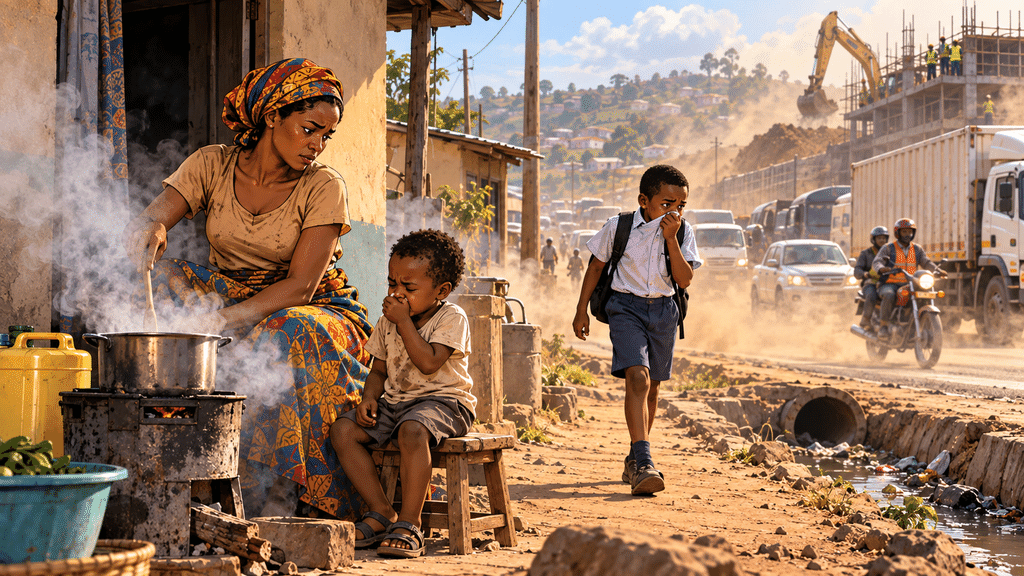
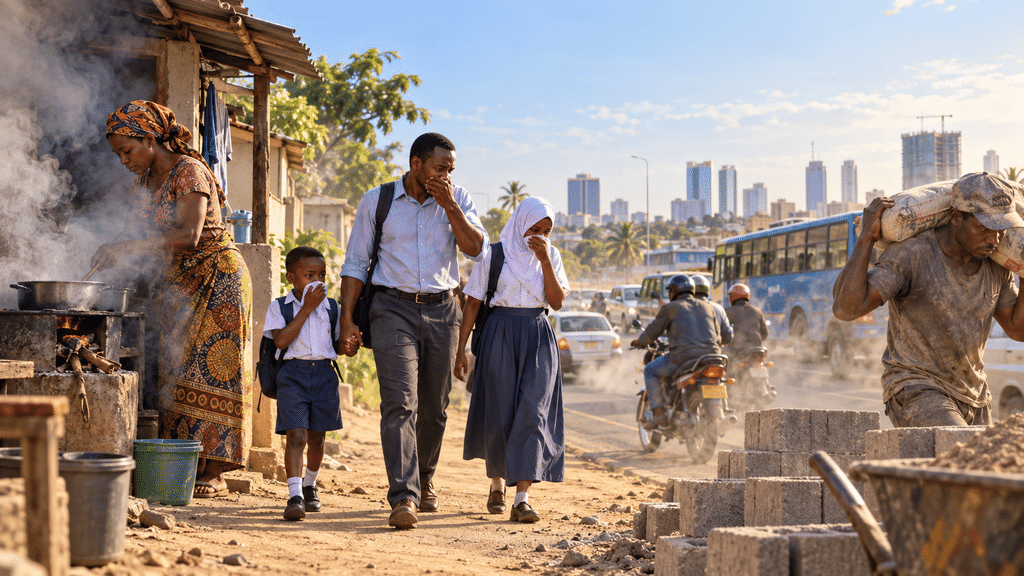
Health systems are built around encounters - the consultation, blood-pressure reading, prescription or referral. Yet many exposures that shape illness occur continuously outside those encounters, in kitchens, homes, roads, workplaces and neighbourhoods. Environmental epidemiology makes that invisible part of the patient history measurable.
What Household Air Reveals About Global Health Inequality
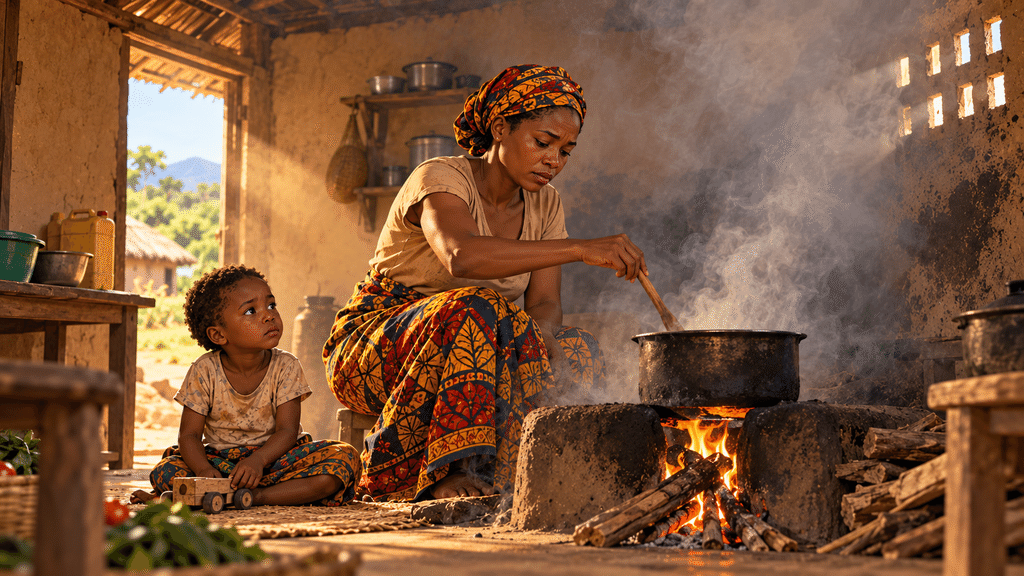
Cooking is universal; exposure to smoke should not be. Yet household energy remains one of the clearest ways in which poverty, infrastructure and gendered daily routines can become biological exposure. The choice of cooking fuel is rarely just an individual health preference. It reflects price, reliability, housing, electricity access, cultural practice and the technologies a household can sustain.
A climate event rarely strikes only one patient. Floods can close roads, heat can increase demand while straining power systems, drought can destabilize livelihoods, and storms can interrupt supply chains. The result is a network shock: capacity may fall at the same moment health needs rise.
Food, water and sanitation insecurity are usually treated as social conditions around disease. Climate-health research suggests they can also be measured as exposures that change behaviour, mobility, stress and vulnerability.
Why Good Interventions Fail When the System Around Them Is Not Ready
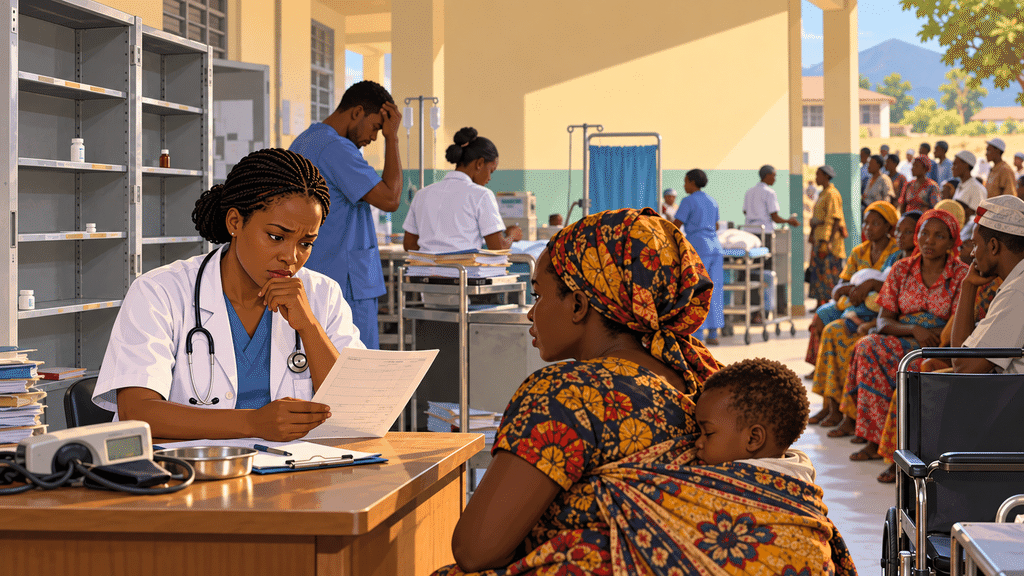
A health intervention can be technically sound and still fail in practice. A screening test may be accurate, a treatment effective and a digital tool well designed, yet the patient may never receive the intended benefit because the surrounding system lacks staffing, workflow, financing, information, supplies, referral, trust or leadership.
Many health strategies quietly assume a workforce that does not exist. Chronic disease needs repeated monitoring, maternal and child health require continuity, and specialist services may be concentrated in a few urban centres. If every decision waits for the highest-trained professional, access becomes constrained by geography and scarcity.
A Patient Journey Is Only as Strong as Its Weakest Referral
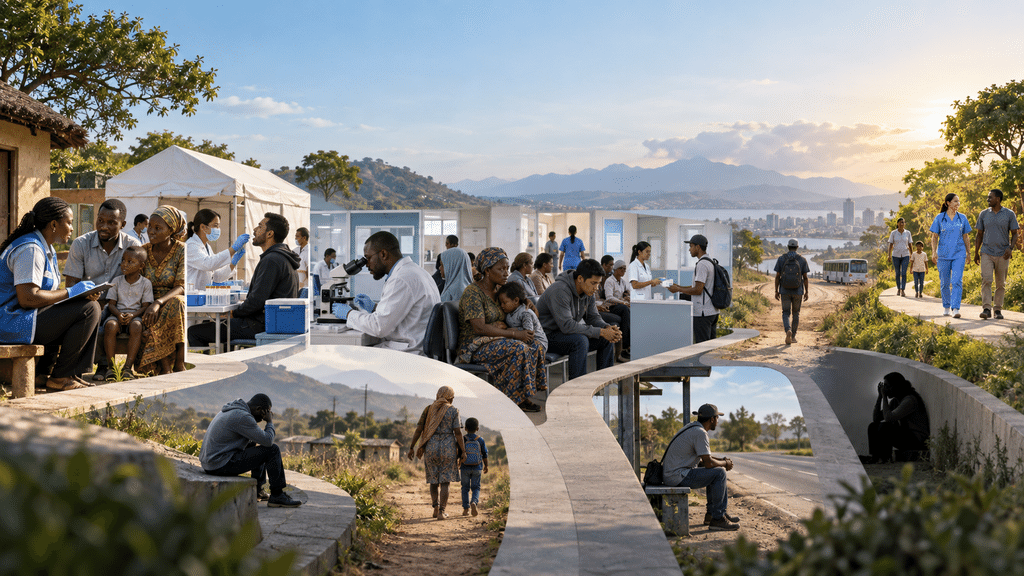
Referral is often represented as an arrow from one facility to another. For patients, the journey is a chain: someone must recognize the need for higher-level care, communicate it, arrange transport, know where capacity exists, transfer information, receive care and remain connected afterwards. Failure at any transition can turn an accurate diagnosis into an unfinished episode of care.
Primary Health Care as the Platform for the Double Burden of Disease
Health systems in Tanzania and many other settings have spent decades building programmes for maternal health, HIV, tuberculosis and vaccination while hypertension, diabetes, cancer and other chronic diseases have grown alongside them. This is not a transition from one burden to another. It is a double burden, often managed through systems that remain organized vertically.
From Pilot to Scale: What Sustainment Actually Requires
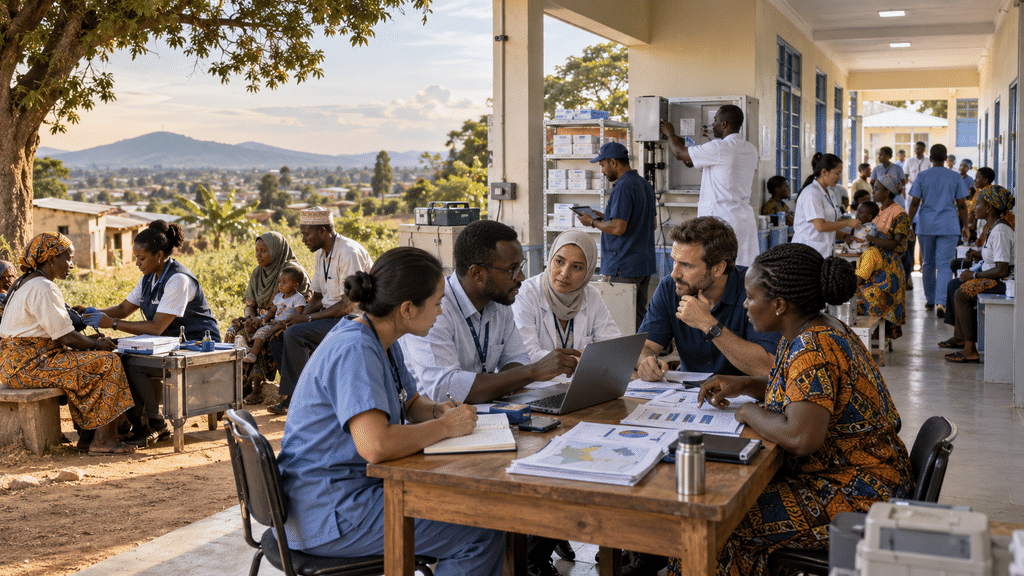
Global health is full of interventions that worked while a project team was watching closely. Pilots benefit from dedicated staff, troubleshooting support and unusually concentrated attention. Scale removes many of those protections. The question changes from whether an intervention can work to whether ordinary systems can keep it working after novelty and external support fade.
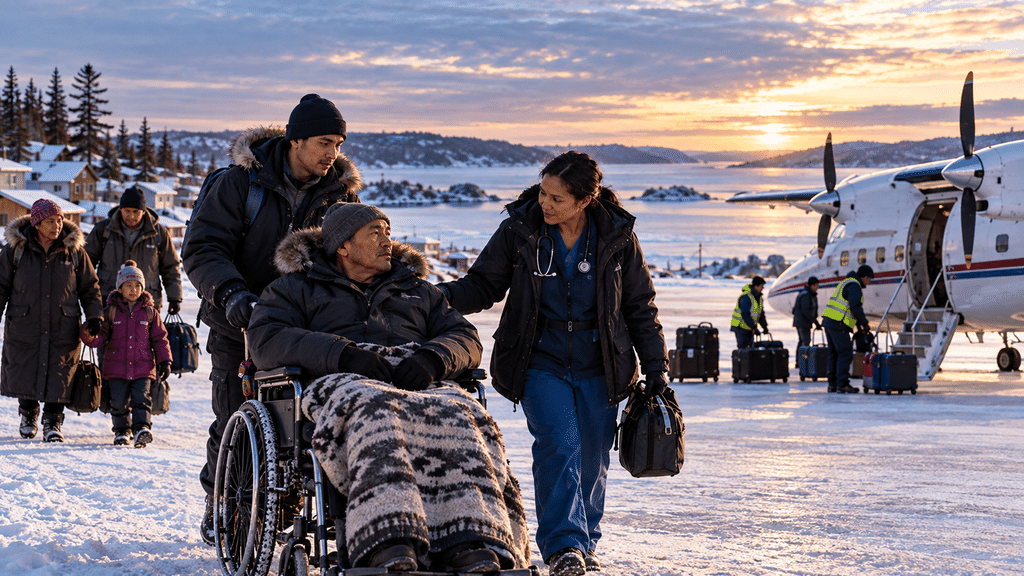
Distance is sometimes treated as a patient characteristic: someone simply lives far from care. But geography is also a health-system design choice. Where services are located, which functions are centralized, how often patients must travel, whether transport exists and whether remote support is available determine how strongly distance becomes a barrier.
Community engagement is sometimes treated as a communication stage: researchers design an intervention and then explain it to the people expected to use it. That misses a more important role. Communities often understand barriers, language, relationships and feasibility that are invisible from the centre of a research institution. Participation can therefore change the intervention itself.
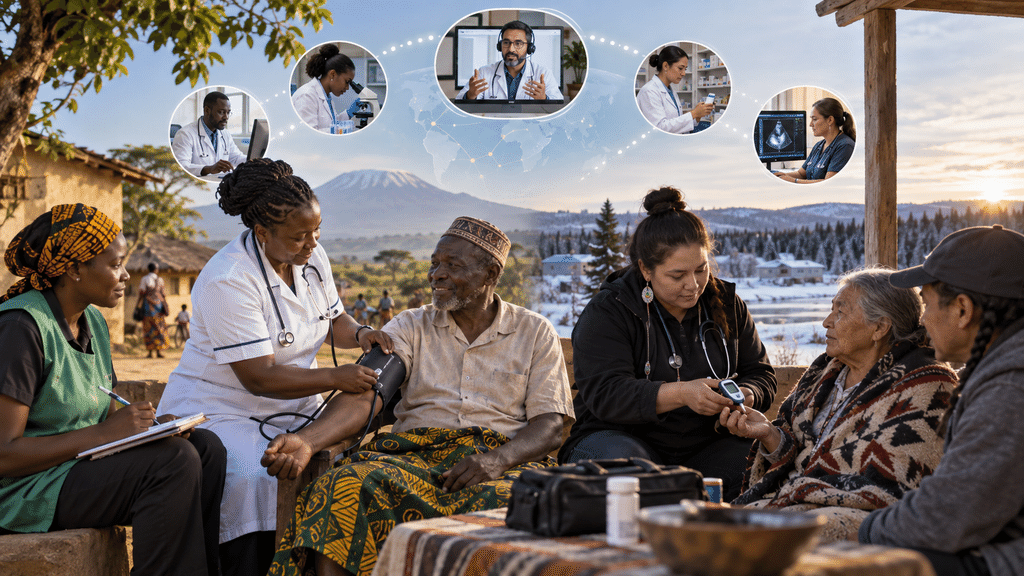
A digital tool can look transformative on a screen while creating almost no improvement in care. A reminder is useful only if someone can respond. A decision aid matters only if recommended tests, medicines or referrals exist. A screening image shared remotely helps only if feedback returns in time and the patient can act on it. Digital health is therefore less a category of technology than a redesign of who receives information, who acts and what happens next.
Health Risks Begin Long Before Chronic Disease Is Diagnosed
Many adult health inequalities begin long before chronic disease is diagnosed. Early development, nutrition, school environments, adolescent services, reproductive health, infection prevention and social expectations shape opportunities over years. A life-course perspective asks where those trajectories can be altered early rather than waiting for adult disease to become visible.
Adolescent Reproductive Health Is About Trust as Much as Access
Adolescent reproductive-health services are often evaluated through access: is contraception available, is the clinic nearby, is information provided? Adolescents may experience another barrier that those measures miss - whether seeking care feels safe, confidential and socially acceptable.
Can HPV Vaccination Become an Entry Point for Broader Adolescent Health?
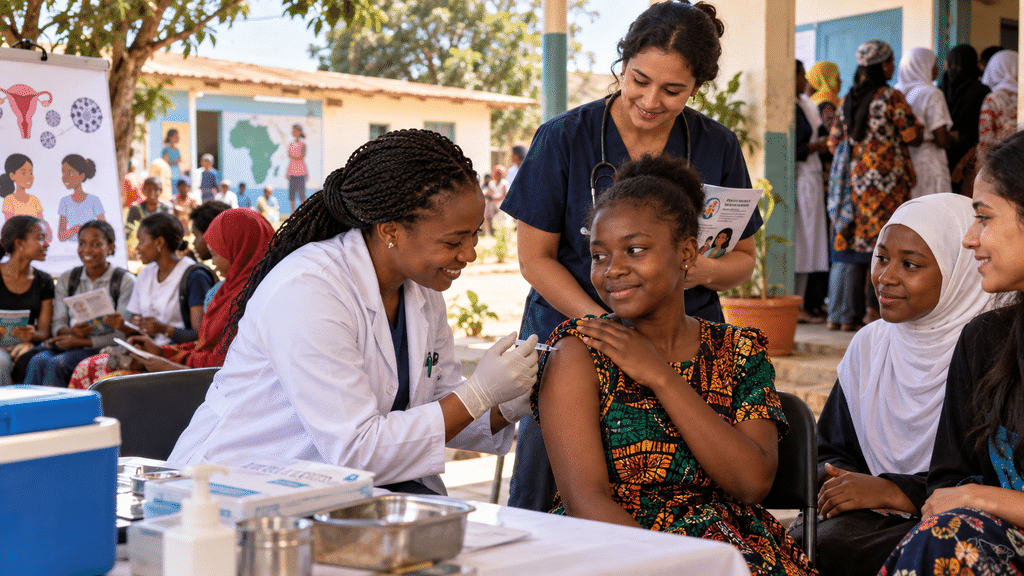
HPV vaccination is usually framed as a cancer-prevention intervention. Biologically, that is correct. Operationally, the vaccination encounter may offer something more: a rare point of contact with adolescents who otherwise use health services infrequently. That raises a broader question - can a successful vaccine platform become an entry point for other age-appropriate prevention and health services without making the programme too complex to deliver?
What Early-Life Development Tells Us About Later Opportunity
School readiness is often treated as an education-system outcome that begins when a child enters a classroom. A life-course view asks an earlier question: what developmental opportunities has the child already had, and how are those opportunities patterned across households and communities?
Health inequality in adulthood rarely begins as one dramatic event. It often accumulates through smaller differences in what children and adolescents can reach, understand and safely use: early learning support, nutritious food, confidential reproductive care, treatment continuity, supportive schools and households with enough resources to absorb illness.