
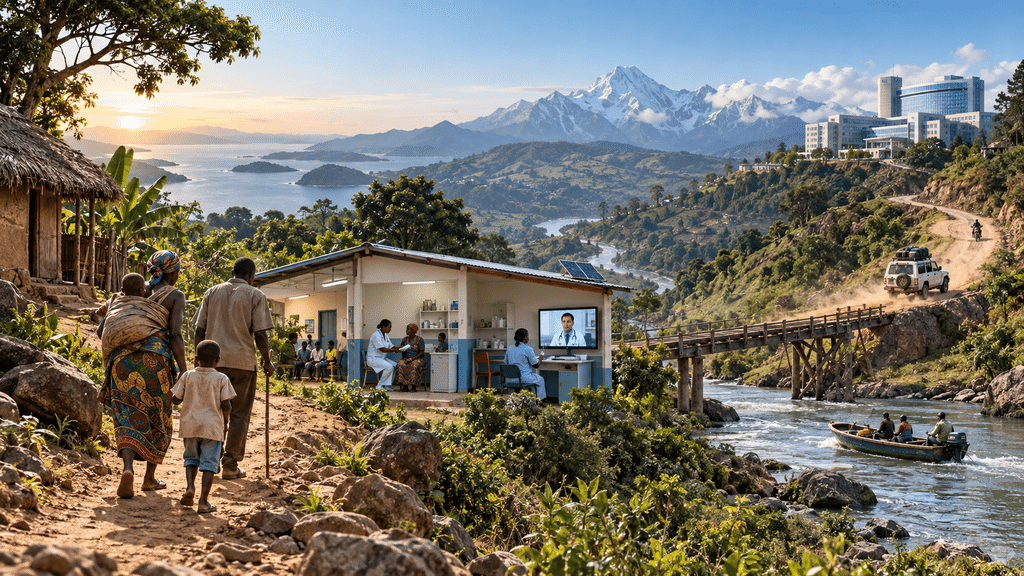
Health is shaped in places long before it is measured in clinics. The neighbourhood determines whether walking is easy or dangerous. Household energy affects what people breathe while cooking. Food environments shape what is affordable and normal to eat. Social connection influences whether someone has practical support during illness. Long-running population studies make these conditions visible by following people across very different social and environmental settings.
PURE and related analyses show why place should not be reduced to a rural-versus-urban label. Built-environment studies distinguish land-use mix, street connectivity, safety and aesthetics. Air-pollution research measures both ambient and household exposure. Diet studies show that the same broad food advice operates within very different markets, cultures and economic constraints. Social-isolation analyses add relationships to the environment in which health develops.
The collective message is that risk factors are not simply carried by individuals; many are produced or constrained by systems around them. That does not make personal behaviour irrelevant. It changes the prevention question from “why did this person make a poor choice?” to “what choices were realistically available, safe, affordable and sustainable where they live?”
Publications behind this Insight
When the Air Outside Becomes a Cardiovascular Exposure
When the Air Outside Becomes a Cardiovascular Exposure. 2020. 10.1016/S2542-5196(20)30103-0.
Open publicationWhat Makes a City Easier to Walk or Cycle?
What Makes a City Easier to Walk or Cycle?. 2023. 10.1016/j.cities.2022.104102.
Open publicationSocial Isolation Looked Like a Health Exposure Across Economies
Social Isolation Looked Like a Health Exposure Across Economies. 2021. 10.1136/bmjgh-2020-004124.
Open publicationEvidence behind this Insight
- 1. Hystad P, et al. Ambient PM2.5 and cardiovascular disease. 2020. DOI 10.1016/S2542-5196(20)30103-0. When the Air Outside Becomes a Cardiovascular Exposure
- 2. Boakye K, et al. Built environment, walking and cycling. Cities. 2023. DOI 10.1016/j.cities.2022.104102. What Makes a City Easier to Walk or Cycle?
- 3. Naito R, et al. Social isolation and health outcomes in PURE. BMJ Global Health. 2021. DOI 10.1136/bmjgh-2020-004124. Social Isolation Looked Like a Health Exposure Across Economies