
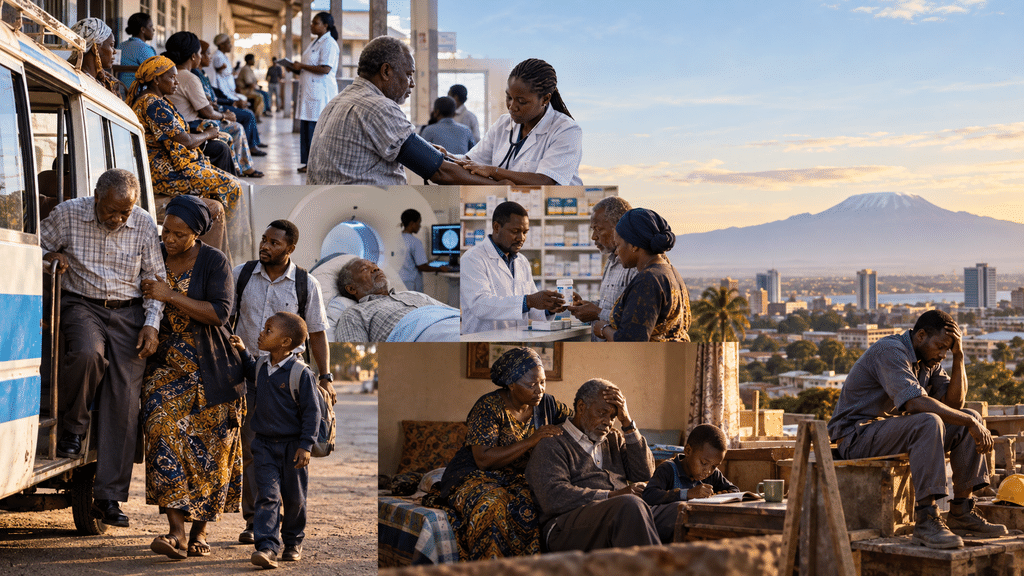
Health systems often organize diseases into separate programmes, but people do not live one diagnosis at a time. An adult living with HIV may also develop hypertension, diabetes or kidney disease. A pregnant woman may have chronic disease alongside infectious or obstetric risk. Older adults can carry several conditions that compete for medication, appointments and attention.
Evidence from HIV chronic care, integrated NCD programmes and kidney research shows why multimorbidity is not simply the sum of several diagnoses. Treatment schedules can interact, clinic visits multiply, referral becomes more complex and financial burden accumulates. Alcohol use, mental health and social isolation can further shape how well a person can manage care. Integration may reduce duplication, but poorly designed integration can lengthen visits and overload staff.
The more useful research question is therefore how services should be organized around the person rather than around programme boundaries. Primary health care is the natural place to test that architecture because it is where overlapping needs first become visible.
Publications behind this Insight
Renal Dysfunction Among People Living With HIV in Dar es Salaam
Renal Dysfunction Among People Living With HIV in Dar es Salaam. 2024. 10.5539/gjhs.v16n6p37.
Open publicationAlcohol Use Belongs Inside the HIV Care Conversation
Alcohol Use Belongs Inside the HIV Care Conversation. 2026. 10.1007/s10461-026-05094-6.
Open publicationEvidence behind this Insight
- 1. Shiri T, et al. Integrated chronic care for HIV, diabetes and hypertension. BMC Medicine. 2021. DOI 10.1186/s12916-021-02094-2. External evidence
- 2. Kitambala EV, et al. Renal dysfunction among PLHIV. 2024. DOI 10.5539/gjhs.v16n6p37. Renal Dysfunction Among People Living With HIV in Dar es Salaam
- 3. Njiro BJ, et al. Alcohol use among adults living with HIV. 2026. DOI 10.1007/s10461-026-05094-6. Alcohol Use Belongs Inside the HIV Care Conversation